
 EN
EN

Selecting the right dash cam supplier is one of the most critical decisions a fleet manager or business owner can make. The dash cam supplier you choose directly impacts video quality, reliability, warranty support, and overall cost of ownership. A poor dash cam supplier selection can leave your fleet vulnerable to liability claims, unresolved technical issues, and wasted capital expenditure. Understanding how to evaluate potential dash cam suppliers ensures you invest in equipment that protects your assets, employees, and reputation.
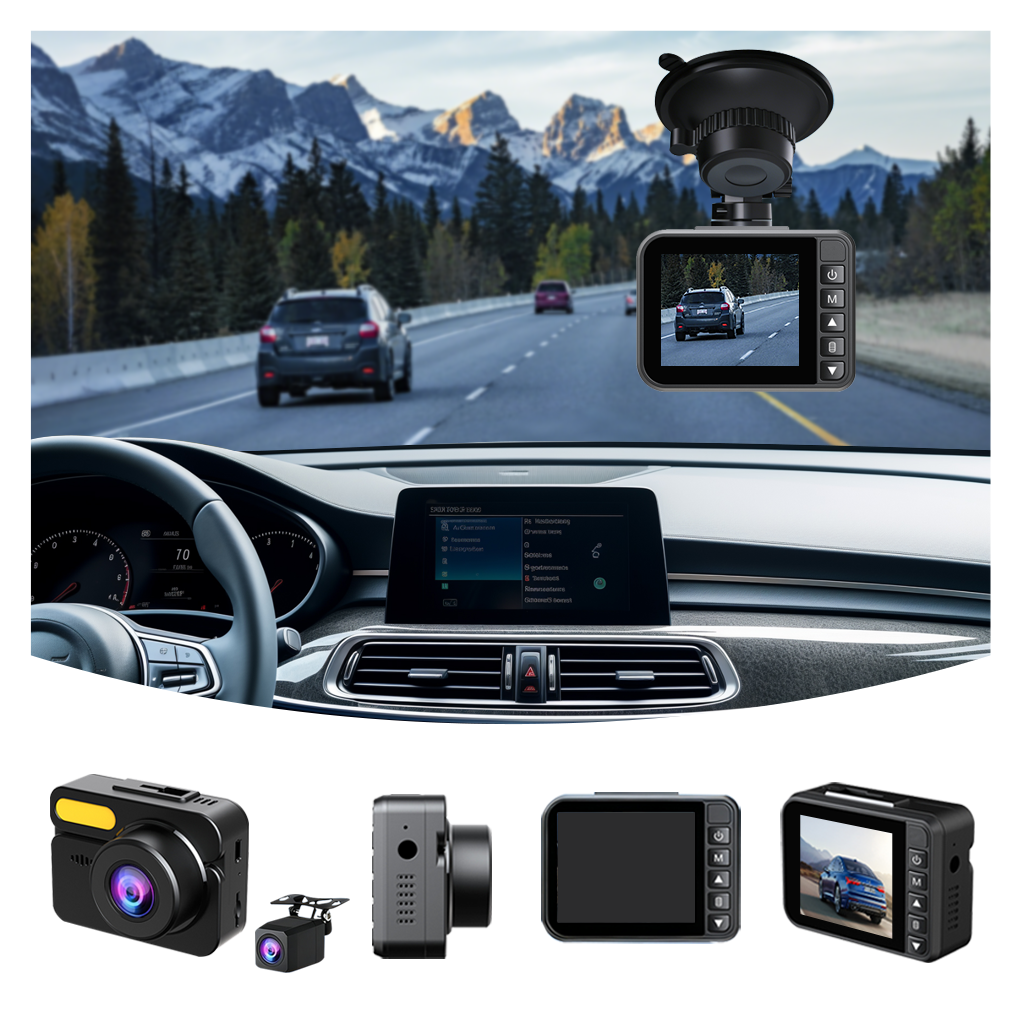
The process of finding and vetting a reliable dash cam supplier requires systematic evaluation across multiple dimensions. You must assess technical specifications, pricing transparency, customer support frameworks, warranty policies, and integration capabilities with your existing fleet management systems. A strategic dash cam supplier relationship provides not just hardware, but ongoing support, software updates, and data management solutions that evolve with your operational needs.
Core Evaluation Criteria for Your Dash Cam Supplier
Video Quality and Recording Specifications
Your chosen dash cam supplier must deliver equipment capable of capturing clear, usable footage under diverse driving conditions. Resolution capabilities directly influence whether footage can support liability defense, employee coaching, or insurance claims. A premium dash cam supplier will offer 4K or high-definition recording at frame rates that capture fast-moving incidents without motion blur. Additionally, your dash cam supplier should provide equipment with superior low-light performance, wide-angle lenses covering blind spots, and dynamic range optimization that handles both bright sunlight and dark highway conditions. These specifications determine the real-world value of your dash cam investment when critical incidents occur.
Hardware Durability and Environmental Resilience
Industrial-grade dash cam hardware must withstand extreme temperatures, vibration, humidity, and moisture exposure. When evaluating a dash cam supplier, verify their equipment meets ingress protection ratings suitable for vehicle environments. A trustworthy dash cam supplier ensures their devices function reliably in temperatures ranging from freezing winters to blistering summer heat. Look for dash cam supplier offerings that include heat-resistant components, moisture-resistant enclosures, and vibration-dampening mounts that protect sensitive electronics during rough road conditions. The physical durability provided by your dash cam supplier directly correlates with equipment lifespan and total cost of ownership across your entire fleet.
Assessing Technical Support and Integration Capabilities
Customer Support Framework and Response Times
A superior dash cam supplier maintains accessible, responsive technical support channels that address installation questions, troubleshooting, and operational guidance. When equipment malfunctions, your dash cam supplier's support team should provide rapid diagnostics and clear solutions rather than lengthy wait periods or vague recommendations. Evaluate whether your dash cam supplier offers multiple contact channels including email, phone, and live chat support. Additionally, examine whether the dash cam supplier provides comprehensive documentation, video tutorials, and training resources that empower your technicians to handle routine maintenance and basic troubleshooting independently. This support infrastructure reduces operational downtime and ensures your fleet maintains consistent monitoring coverage.
Fleet Management System Integration
Modern fleet operations demand seamless integration between dash cam hardware and existing management platforms. Your selected dash cam supplier should offer equipment compatible with leading telematics systems, GPS platforms, and incident management software. A forward-thinking dash cam supplier provides API documentation, data synchronization protocols, and standardized integration pathways that eliminate complex workarounds. This technical alignment means your dash cam supplier's equipment feeds automatically into your incident review workflows, driver coaching programs, and compliance documentation systems. Integration capabilities separate a premium dash cam supplier from basic equipment vendors who treat their products as standalone devices rather than integrated fleet solutions.
Financial Considerations and Long-Term Vendor Relationships
Transparent Pricing Models and Total Cost Analysis
A reliable dash cam supplier provides clear, itemized pricing that includes hardware, installation, cloud storage, support, and software licensing. Avoid dash cam supplier quotes that hide mandatory fees or include confusing bundled pricing that obscures true costs. Request comprehensive total cost of ownership calculations from your dash cam supplier that project expenses across multiple years, accounting for maintenance, storage expansion, and support renewals. A trustworthy dash cam supplier will explain their pricing rationale and justify premium costs through superior specifications or enhanced service offerings. This transparency allows you to compare multiple dash cam supplier options on equivalent metrics rather than being misled by artificially low initial pricing.
Warranty Coverage and Data Retention Policies
Your dash cam supplier should guarantee hardware functionality through comprehensive warranty periods covering defects, failures, and performance issues. Clarify what your dash cam supplier's warranty explicitly covers versus what constitutes customer responsibility. Additionally, examine your dash cam supplier's data retention policies and cloud storage commitments. A quality dash cam supplier maintains footage accessibility for compliance periods required by your industry and insurance carriers. Understand whether your dash cam supplier provides unlimited storage, tiered storage options, or whether storage costs scale with fleet size. These policies directly impact your ability to retrieve historical footage for liability defense, employee dispute resolution, and regulatory compliance purposes.
FAQ
What qualifications should a professional dash cam supplier possess?
A professional dash cam supplier should demonstrate industry certifications, proven installation experience with commercial fleets, technical expertise in video recording technology, and established relationships with fleet operators or insurance providers. Your dash cam supplier should provide references from comparable businesses, display knowledge of regulatory compliance requirements, and offer training programs for your technicians and drivers.
How does a dash cam supplier ensure footage security and privacy compliance?
A responsible dash cam supplier implements encrypted data transmission, secure cloud storage with access controls, and privacy-respecting footage management protocols. Your dash cam supplier should clearly outline compliance with employee privacy laws, passenger recording regulations, and data protection standards applicable in your jurisdiction. Request detailed information about how your dash cam supplier handles footage access, deletion procedures, and data breach protocols.
Can a dash cam supplier help with driver training and coaching programs?
Many premium dash cam suppliers offer comprehensive support for driver coaching by providing clip extraction tools, behavior analytics, and integration with learning management systems. Your dash cam supplier may offer pre-built coaching curricula or dashboards that highlight unsafe driving patterns recorded by the equipment. A quality dash cam supplier recognizes that coaching represents the highest-value use case for dash cam data and provides platforms and training resources that maximize this benefit for fleet safety improvement and insurance premium reductions.