
 EN
EN
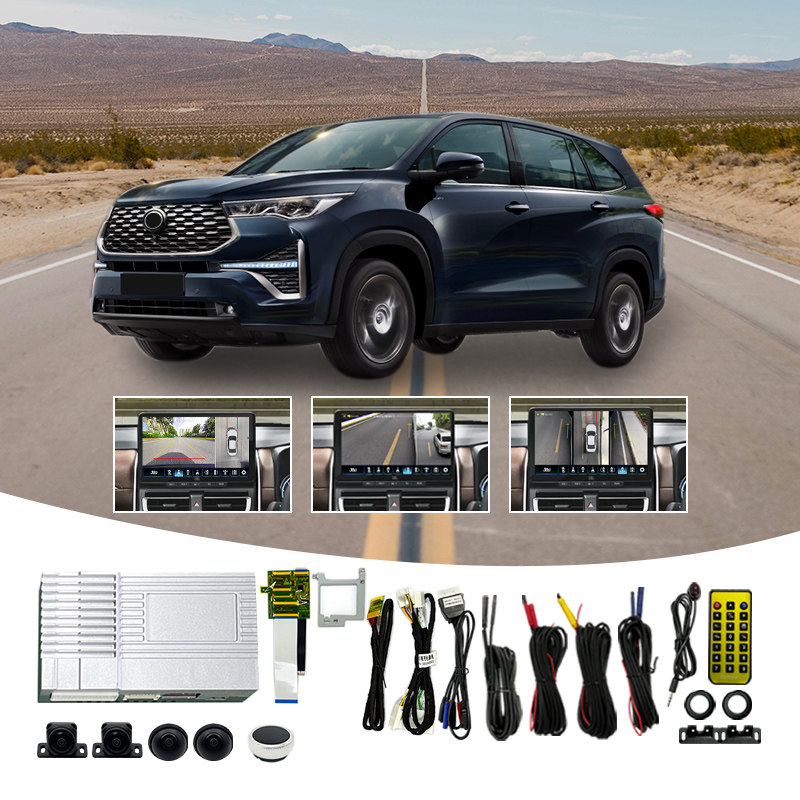
The modern automotive industry demands advanced safety solutions, and the oem 360 car camera system has emerged as a critical technology for vehicle awareness and collision prevention. This comprehensive surround-view technology provides drivers and fleet managers with unprecedented visibility around vehicles, capturing blind spots and enabling precise maneuvering in challenging environments. Understanding how to leverage the oem 360 car camera system effectively requires knowledge of installation protocols, calibration procedures, and integration strategies that maximize its operational value.
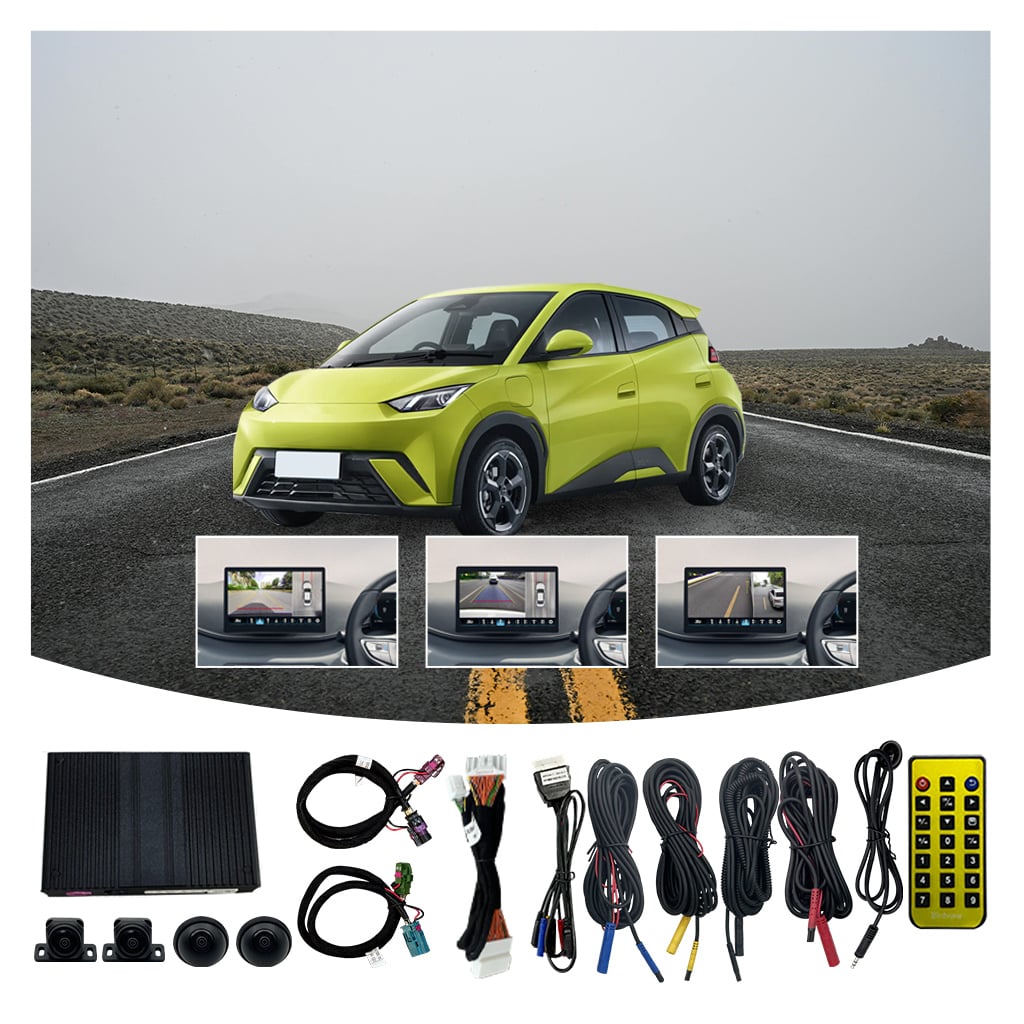
Organizations deploying the oem 360 car camera system across their fleet operations experience significant improvements in driver safety metrics and accident reduction. The system transforms how operators perceive vehicle positioning, particularly in high-risk scenarios such as loading dock operations, parallel parking, and reverse maneuvering. Advanced utilization of this technology extends beyond basic visibility, encompassing data recording, real-time monitoring, and integration with telematics platforms that inform safety culture and operational excellence.
Core Installation and Hardware Integration
Mounting Position and Calibration Requirements
Proper installation of an oem 360 car camera system begins with precise camera placement around the vehicle perimeter. The system typically includes four cameras positioned at the front, rear, and both lateral sides, each capturing specific angles that combine to create a unified surround-view display. Calibration of the oem 360 car camera system must account for camera height, angle, and lens characteristics to ensure accurate image stitching and spatial representation on the display monitor.
The calibration process for your oem 360 car camera system involves adjusting parameters within the control module to align images correctly. Professional technicians use reference markers and target-based calibration tools to verify that distance perception and angle representation meet manufacturer specifications. Incorrect calibration of the oem 360 car camera system can result in distorted perspective, misaligned image transitions, and compromised safety effectiveness, making this step essential for operational reliability.
Electrical Harness and Power Distribution
Integrating the oem 360 car camera system into vehicle electrical architecture requires careful planning of power distribution, ground connections, and signal routing. Each camera within the oem 360 car camera system requires stable power supply, typically 12 volts or 24 volts depending on vehicle specification, along with shielded video signal cables to prevent electromagnetic interference. The control module managing the oem 360 car camera system must receive power through a dedicated circuit with appropriate fusing to protect against electrical faults and ensure continuous operation during vehicle use.
Professional installation of the oem 360 car camera system includes routing harnesses away from engine heat sources, rotating components, and high-voltage circuits. Proper strain relief and cable management prevent physical damage and signal degradation over extended service periods. The wiring integrity of the oem 360 car camera system directly impacts image quality and system reliability, requiring attention to detail and adherence to automotive electrical standards.
Display Configuration and User Interface Optimization
Screen Integration and Display Modes
The oem 360 car camera system connects to existing vehicle infotainment displays or aftermarket monitors, presenting surround-view imagery in real-time during reverse gear engagement or manual selection. Modern implementations of the oem 360 car camera system offer multiple display modes, including full surround view, split-screen perspectives, and dynamic guidelines that assist operators with trajectory prediction. Optimizing display settings for the oem 360 car camera system involves adjusting brightness, contrast, and overlay transparency to enhance visibility in various lighting conditions.
Fleet operators utilizing the oem 360 car camera system benefit from configurable user interfaces that accommodate different vehicle models and driver preferences. The system can display auxiliary information such as distance markers, parking grid references, and vehicle dimensions on screen alongside camera feeds. Proper configuration of the oem 360 car camera system display interface reduces driver cognitive load and improves decision-making during critical maneuvering situations.
Image Processing and Real-Time Enhancement
Advanced oem 360 car camera system implementations incorporate image processing algorithms that enhance clarity, correct distortion, and improve contrast in challenging environmental conditions. The processing capabilities of your oem 360 car camera system may include night vision enhancement, rain or fog mitigation, and automatic exposure adjustment to maintain consistent image quality throughout operational hours. These enhancements to the oem 360 car camera system imaging pipeline support safer decision-making by operators and reduce the likelihood of perception-based errors.
The computational demands of real-time image stitching and processing within the oem 360 car camera system require robust processing hardware and optimized software algorithms. System performance metrics such as frame rate, latency, and image synchronization directly influence the operational effectiveness of the oem 360 car camera system. Organizations deploying this technology should verify that their oem 360 car camera system meets minimum performance thresholds for their specific operational environment.
Advanced Integration and Data Utilization
Telematics and Fleet Management System Connectivity
Modern fleet operations increasingly integrate the oem 360 car camera system with comprehensive telematics platforms that collect vehicle data, driver behavior metrics, and safety indicators. Recording functionality within the oem 360 car camera system enables post-incident analysis, driver coaching, and liability documentation. Connectivity between the oem 360 car camera system and fleet management software facilitates real-time alerts for unsafe maneuvering patterns and automated incident notifications to safety personnel.
Deploying the oem 360 car camera system as part of an integrated safety ecosystem requires API compatibility, data standardization, and secure communication protocols. The oem 360 car camera system can contribute event data, timestamp information, and video metadata to predictive analytics models that identify high-risk driving behaviors. Organizations maximizing the oem 360 car camera system potential leverage this data integration to inform training programs, route optimization, and fleet maintenance schedules.
Driver Training and Operational Best Practices
Effective utilization of the oem 360 car camera system requires comprehensive driver training that explains system capabilities, display interpretation, and reliance protocols. Operators must understand that the oem 360 car camera system represents a safety tool that supplements but does not replace direct observation and mirror checking. Training programs for the oem 360 car camera system should emphasize proper positioning of vehicles during maneuvers and recognition of system limitations in adverse weather or extreme lighting conditions.
Continuous reinforcement of oem 360 car camera system best practices ensures that drivers maintain proficiency and adhere to established safety protocols. Feedback mechanisms that highlight driver performance with the oem 360 car camera system during normal operations and incident reviews create organizational culture that prioritizes safety. Organizations investing in comprehensive oem 360 car camera system deployment see improved accident prevention metrics and reduced insurance claims when coupled with robust training initiatives.
FAQ
What is the primary advantage of implementing an oem 360 car camera system in fleet operations?
The primary advantage of an oem 360 car camera system is comprehensive situational awareness around the entire vehicle perimeter, significantly reducing blind spots and enabling safer maneuvering in confined spaces. The oem 360 car camera system prevents backing accidents, parking lot incidents, and loading dock collisions by providing real-time visual feedback to operators. This technology directly reduces accident rates, insurance premiums, and operational downtime across fleet operations.
How does calibration affect the performance of an oem 360 car camera system?
Calibration of an oem 360 car camera system ensures that images from multiple cameras align correctly to create accurate surround-view imagery without distortion or misalignment at image boundaries. Poor calibration of the oem 360 car camera system results in disjointed images, incorrect distance perception, and compromised safety effectiveness. Professional calibration using reference tools and target markers optimizes the oem 360 car camera system performance and ensures consistent image quality across all lighting and environmental conditions.
Can an oem 360 car camera system be integrated with existing vehicle telematics platforms?
Yes, modern oem 360 car camera system implementations support integration with comprehensive telematics and fleet management platforms through standardized data interfaces and API connections. The oem 360 car camera system can provide event triggers, video recording, and performance metrics to centralized monitoring systems. This integration capability enables organizations to leverage oem 360 car camera system data for driver coaching, incident investigation, and predictive safety analytics across their entire fleet.