
 EN
EN
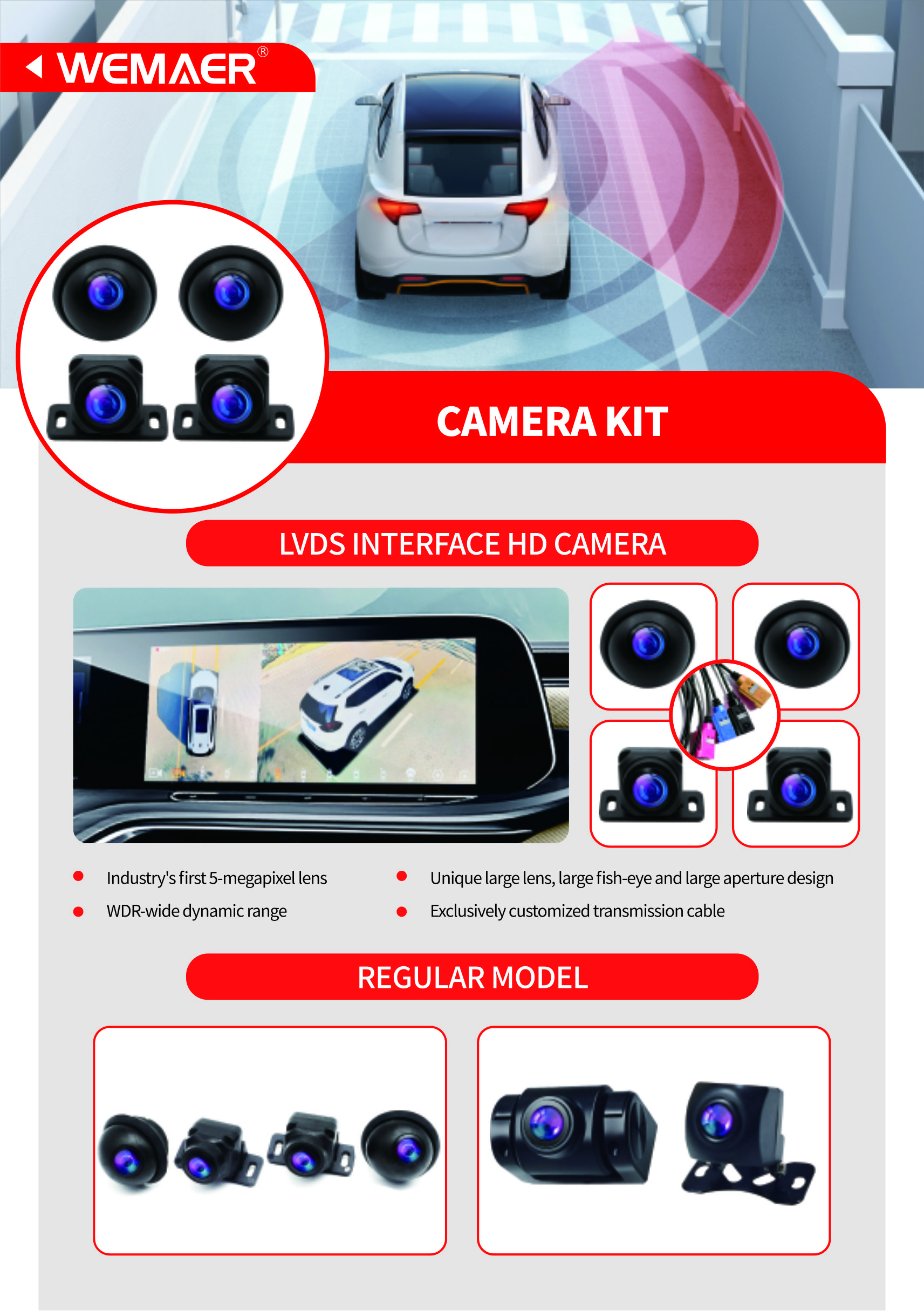
Choosing between a universal rearview camera and a model-specific alternative represents one of the most important decisions for vehicle owners seeking to enhance safety and convenience. A universal rearview camera offers flexibility and broad compatibility, yet model-specific solutions often deliver factory-matched integration and refined performance. Understanding the distinctions between these two approaches is essential before making an investment that will affect your daily driving experience and long-term vehicle functionality.
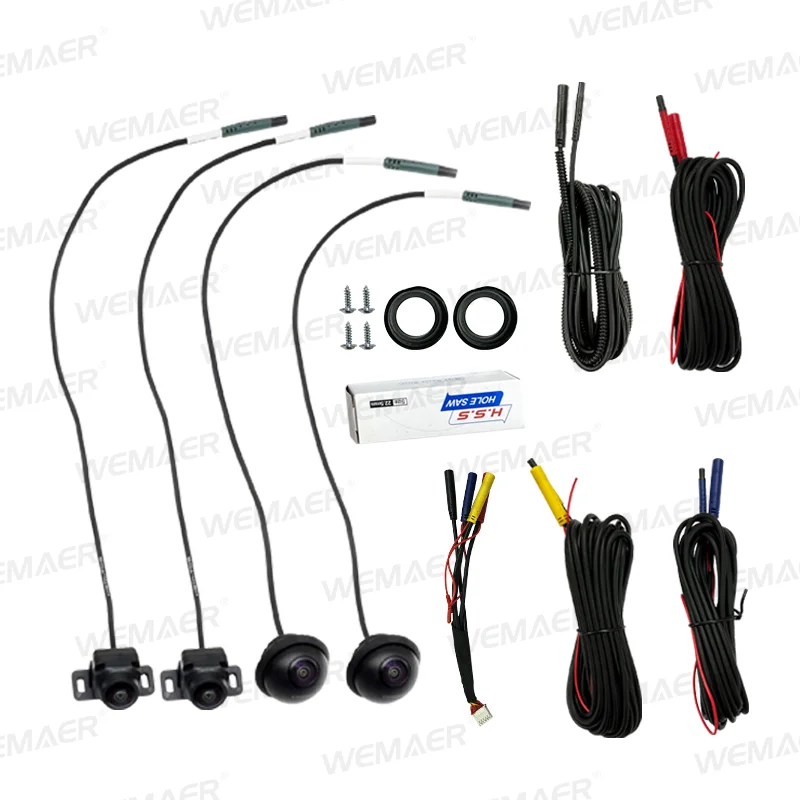
The decision between a universal rearview camera and a manufacturer-branded alternative depends on several factors including your vehicle type, budget constraints, installation expertise, and desired feature set. This comprehensive guide explores the practical implications of each option, helping you determine which solution aligns best with your specific automotive needs and expectations.
Compatibility and Installation Differences
Universal Rearview Camera Flexibility
A universal rearview camera system is engineered to work with a wide range of vehicle models, years, and dashboard configurations. This adaptability means the universal rearview camera can be installed on sedans, SUVs, trucks, and vans without requiring extensive customization or proprietary connectors. The mounting hardware for a universal rearview camera typically includes adjustable brackets and adhesive options, allowing installers to position the camera at optimal angles regardless of existing rear bumper design.
Installation of a universal rearview camera is generally straightforward for technically inclined owners or professional installers. Most universal rearview camera systems connect through standard RCA cables or wireless transmission, requiring only basic electrical knowledge to route wiring through existing vehicle cavities. This plug-and-play nature of a universal rearview camera makes replacement straightforward if the original unit fails or requires upgrading.
Model-Specific Camera Integration
Model-specific rearview camera systems are designed exclusively for particular vehicle makes and model years. These systems integrate directly with factory wiring harnesses and dashboard mounting points, eliminating the need for aftermarket brackets or cable routing modifications. A model-specific camera system often connects seamlessly to the vehicle's existing entertainment system without additional hardware adapters.
Installation of model-specific systems typically requires dealer assistance or specialized technical knowledge, as these cameras demand precise alignment with factory mounting locations and proprietary connector configurations. While more complex to install initially, model-specific solutions often provide superior aesthetic integration compared to a universal rearview camera retrofit.
Performance, Display Quality, and Functionality
Resolution and Image Quality Considerations
Modern universal rearview camera models now offer high-definition resolution, with many units providing 720p or 1080p video clarity. A universal rearview camera typically delivers excellent low-light performance through advanced sensor technology, allowing drivers to detect obstacles and pedestrians in rear zones effectively. The image quality from a quality universal rearview camera meets or exceeds expectations for reversing assistance and parking awareness.
Model-specific camera systems often provide native integration with manufacturer-optimized display algorithms, potentially offering slightly enhanced color accuracy and contrast compared to aftermarket options. However, modern universal rearview camera technology has narrowed this performance gap substantially, with premium universal models now matching factory system capabilities in most practical scenarios.
Feature Set and Advanced Capabilities
Contemporary universal rearview camera systems frequently include features such as dynamic grid overlays, distance markers, and night vision modes. Many universal rearview camera options now support wireless connectivity and smartphone integration, enabling drivers to view rear camera feeds directly on mobile devices. Some universal rearview camera models include 360-degree panoramic viewing options and multiple camera inputs for comprehensive vehicle coverage.
Model-specific systems generally offer factory-calibrated viewing angles and integration with vehicle telemetry data, such as vehicle speed and steering angle. These manufacturer-designed systems may provide seamless incorporation into the vehicle's driver assistance ecosystem, whereas a universal rearview camera operates independently from most factory safety systems.
Cost, Warranty, and Long-Term Value Considerations
Initial Investment and Installation Expenses
A universal rearview camera system typically costs significantly less than model-specific alternatives, with quality units available at price points roughly 40–60% lower than factory options. Installation costs for a universal rearview camera may be minimal if performed by the owner, or moderate if professional installation is required. Total investment in a universal rearview camera solution often ranges from $150 to $500, depending on camera quality and professional labor requirements.
Model-specific camera systems command premium pricing due to factory engineering and integration requirements. Complete installation of a model-specific system, including dealer or specialist labor, frequently exceeds $800 to $2,000 depending on vehicle complexity. For budget-conscious vehicle owners, a universal rearview camera delivers substantially better value without proportional sacrifices in core functionality.
Warranty Coverage and Support Options
Most universal rearview camera manufacturers provide 12–24 month warranties covering hardware defects and component failures. Third-party retailers selling universal rearview camera systems often extend warranty terms through extended protection plans available at point of purchase. Support for a universal rearview camera typically comes from the manufacturer directly, with online guides and customer service representatives providing troubleshooting assistance.
Model-specific systems generally include manufacturer warranty coverage aligned with vehicle warranty terms, often providing protection periods exceeding three years. Factory support for model-specific camera systems typically integrates through dealer service networks, offering convenient warranty service at authorized facilities. Vehicle owners prioritizing comprehensive support infrastructure may prefer model-specific solutions despite higher initial investment compared to a universal rearview camera alternative.
Upgrading and Future Compatibility
A universal rearview camera system can be easily transferred to a new vehicle or upgraded to a newer model without significant expense or installation complexity. This transferability makes a universal rearview camera an attractive option for vehicle owners who frequently change vehicles or prefer maintaining camera technology independent from their current automobile. Upgrading components of a universal rearview camera system is straightforward, allowing independent camera, display, or connectivity modifications as technology advances.
Model-specific camera systems offer limited portability and upgrade flexibility, as these components are engineered specifically for particular vehicle architectures. Changing vehicles typically necessitates purchasing an entirely new model-specific system tailored to the replacement vehicle, increasing long-term ownership costs across multiple automobiles. From a technical longevity perspective, a universal rearview camera system provides superior flexibility for owners maintaining diverse vehicle portfolios.
FAQ
Can a universal rearview camera be easily removed from a vehicle?
Yes, a universal rearview camera is designed for removability and portability. Most universal rearview camera systems use adhesive mounting or temporary bracket installations that can be cleanly removed without damaging vehicle surfaces. Electrical connections on a universal rearview camera are typically non-invasive, using cigarette lighter outlets or wireless transmission rather than factory wiring integration, allowing complete removal within minutes without professional assistance.
Will a universal rearview camera work with my vehicle's factory touchscreen?
Many modern universal rearview camera systems offer aftermarket head unit compatibility and wireless integration with factory screens through adapter modules. However, seamless factory screen integration depends on your specific vehicle architecture and the universal rearview camera model selected. Professional installers can assess compatibility before purchase, and premium universal rearview camera options often include adapters for popular vehicle makes and entertainment systems.
How does installation complexity compare between universal and model-specific camera systems?
Installation of a universal rearview camera is substantially simpler than model-specific alternatives, typically requiring only basic tool skills and approximately 30–60 minutes for completion. Model-specific systems demand professional installation expertise, often requiring partial dashboard disassembly and proprietary connector familiarity. For DIY-oriented vehicle owners, a universal rearview camera offers significant practical advantages in installation simplicity and cost-effectiveness compared to factory-specific alternatives.