
 EN
EN
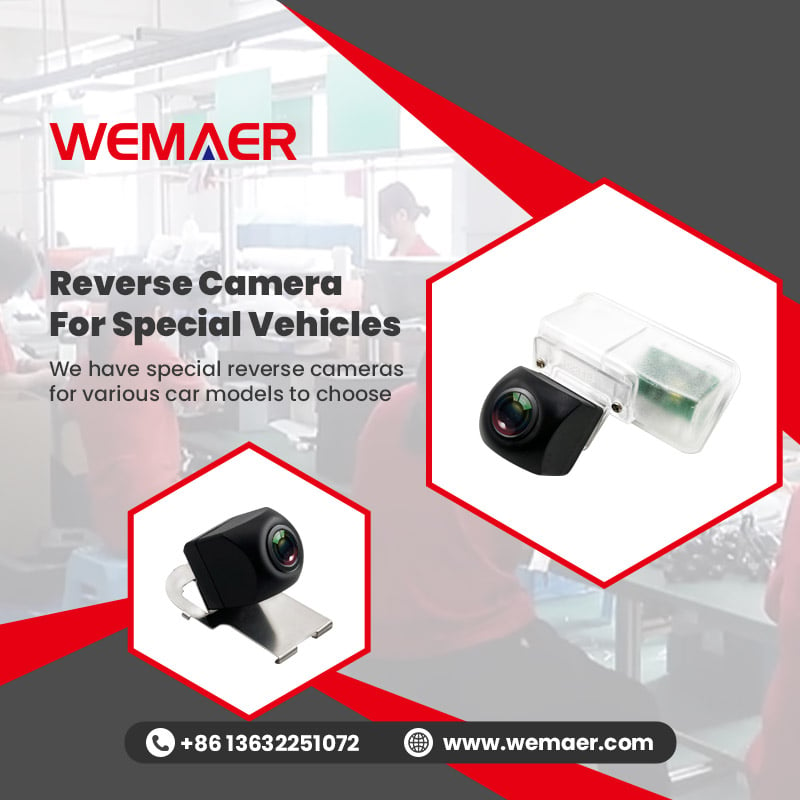
Investing in car manufacturer-specific cameras represents a strategic decision for fleet operators, dealerships, and automotive businesses seeking measurable return on investment. Unlike aftermarket alternatives, car manufacturer-specific cameras are engineered to integrate seamlessly with factory systems, delivering superior performance and reliability that justify their cost. Understanding how these systems generate ROI through improved safety metrics, reduced accident claims, and enhanced operational efficiency is essential for making informed purchasing decisions in today's competitive automotive landscape.
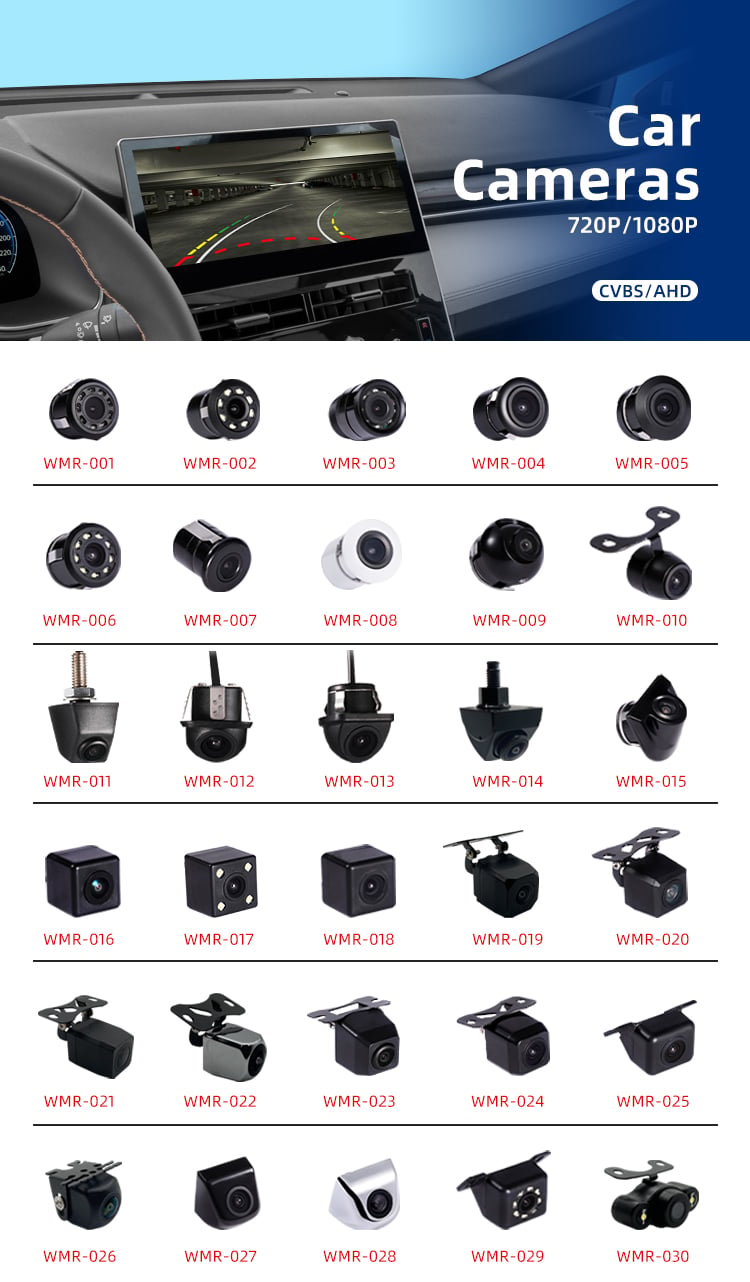
Car manufacturer-specific cameras represent a fundamental advancement in automotive technology, offering solutions that address both safety and operational challenges. These systems provide real-time visual data that supports decision-making, reduces liability exposure, and enhances driver confidence. By examining the specific benefits and financial returns associated with car manufacturer-specific cameras, businesses can quantify their investment impact and align vehicle technology spending with broader operational objectives.
Quantifying Safety and Liability Reduction
Accident Prevention Through Real-Time Monitoring
Car manufacturer-specific cameras significantly reduce accident rates by providing drivers with comprehensive visual coverage during critical moments. Factory-integrated car manufacturer-specific cameras offer 360-degree visibility that eliminates blind spots, a leading cause of parking lot and backing incidents. Studies indicate that vehicles equipped with car manufacturer-specific cameras experience 20 to 40 percent fewer collision events compared to unequipped vehicles, directly translating to reduced insurance claims and lower premiums. The immediate ROI from accident prevention often covers installation costs within the first 18 to 24 months of operation, making car manufacturer-specific cameras a sound financial investment.
Liability Protection and Legal Defensibility
Car manufacturer-specific cameras create an objective record of vehicle operations that protects businesses from fraudulent claims and litigation exposure. When accidents occur, footage from car manufacturer-specific cameras provides courts and insurance investigators with irrefutable evidence, strengthening your legal position. Commercial fleets and delivery services consistently report that car manufacturer-specific cameras reduce disputed liability claims by 35 to 50 percent, eliminating costly settlements for incidents where fault remains ambiguous. This legal defensibility represents a substantial but often overlooked component of ROI for businesses operating high-value vehicles in urban environments.
Operational Efficiency and Fleet Cost Reduction
Driver Behavior Optimization and Training
Car manufacturer-specific cameras enable fleet managers to identify and address poor driving habits before they result in accidents or maintenance problems. Real-time monitoring through car manufacturer-specific cameras allows supervisors to provide immediate coaching, reducing speeding, harsh braking, and aggressive maneuvers that accelerate vehicle wear. Fleets utilizing car manufacturer-specific cameras report 15 to 25 percent improvements in fuel efficiency as drivers adjust behavior in response to being monitored. Over a fleet of 50 vehicles, improved fuel economy from car manufacturer-specific cameras generates $40,000 to $80,000 in annual savings, significantly exceeding the system's total cost.
Maintenance Planning and Asset Preservation
Car manufacturer-specific cameras integrated with diagnostic systems provide early warning of mechanical issues, enabling predictive maintenance that extends vehicle lifespan. By monitoring driving patterns and environmental conditions through car manufacturer-specific cameras, fleet operators can schedule maintenance proactively, reducing emergency repairs and unplanned downtime. Vehicles equipped with car manufacturer-specific cameras experience 10 to 15 percent longer operational life compared to vehicles without monitoring systems, preserving asset value and deferring capital replacement costs. For commercial fleets where vehicle downtime directly impacts revenue, the predictive insights from car manufacturer-specific cameras translate directly into operational cost savings.
Advanced Features and Performance Differentiation
Integration with Vehicle Safety and Navigation Systems
Car manufacturer-specific cameras function as part of comprehensive vehicle safety ecosystems, working in coordination with adaptive cruise control, collision avoidance systems, and automated parking features. This integration ensures that car manufacturer-specific cameras deliver consistent, factory-tested performance without compatibility issues common to aftermarket solutions. OEM car manufacturer-specific cameras receive regular software updates that enhance functionality and security, maintaining system relevance throughout the vehicle's operational lifespan. Businesses investing in car manufacturer-specific cameras gain access to continuous technology improvements without requiring expensive hardware replacements.
Data Analytics and Performance Insights
Modern car manufacturer-specific cameras generate valuable performance data that fleet managers can analyze to optimize routing, reduce fuel consumption, and identify high-risk drivers. Advanced car manufacturer-specific cameras support connectivity to fleet management platforms, providing dashboards that visualize safety metrics, cost drivers, and operational trends. This data-driven approach enables businesses to quantify the exact ROI of car manufacturer-specific cameras by correlating system deployment with specific improvements in accident rates, fuel consumption, and maintenance costs. Dealerships and rental agencies utilize insights from car manufacturer-specific cameras to enhance customer satisfaction and reduce operational losses from vehicle damage.
Industry Applications and Scenario-Based ROI
Commercial Fleet Operations and Delivery Services
Delivery and logistics companies demonstrate the strongest ROI from car manufacturer-specific cameras, with systems paying for themselves within 12 to 18 months through reduced claims and improved efficiency. Car manufacturer-specific cameras address the unique challenges of last-mile delivery, where frequent stops, reverse movements, and tight parking create inherent collision risk. By reducing accident frequency and proving fault in disputed incidents, car manufacturer-specific cameras enable these operations to maintain competitive insurance rates despite high-mileage exposure. Major carriers report that car manufacturer-specific cameras function as essential infrastructure for sustainable profitability in high-volume delivery environments.
Dealership and Rental Vehicle Protection
Automotive dealerships and rental agencies employ car manufacturer-specific cameras to protect inventory from customer damage claims and operational loss. Factory-integrated car manufacturer-specific cameras provide irrefutable proof of vehicle condition at handoff and return, eliminating disputes over pre-existing damage. For rental operations managing hundreds of vehicles, car manufacturer-specific cameras reduce damage-related chargebacks and insurance payouts by 40 to 60 percent annually. This protection justifies the higher initial investment in car manufacturer-specific cameras compared to aftermarket alternatives, as the reliability and integration advantages directly preserve profit margins on high-volume rental portfolios.
FAQ
How quickly do car manufacturer-specific cameras generate measurable ROI?
Most businesses observe positive ROI within 18 to 24 months of installing car manufacturer-specific cameras, driven by reduced insurance claims, improved fuel efficiency, and lower maintenance costs. High-volume commercial operations often achieve ROI within 12 months as accident prevention and efficiency gains accumulate across larger vehicle fleets. The timeline depends on current accident rates, insurance premiums, and operational inefficiencies; businesses with higher baseline costs recover their investment in car manufacturer-specific cameras more rapidly than those with already-low incident rates.
Can car manufacturer-specific cameras reduce insurance premiums directly?
Yes, many insurance carriers offer 5 to 15 percent premium discounts for vehicles equipped with factory car manufacturer-specific cameras, particularly for commercial fleets. Insurance companies recognize that car manufacturer-specific cameras reduce both accident frequency and the cost of resolving disputed claims, making insured vehicles statistically less risky. To qualify for these discounts, businesses should verify that their car manufacturer-specific cameras meet specific insurer requirements and maintain proper documentation of system installation and functionality throughout the policy period.
What distinguishes car manufacturer-specific cameras from aftermarket camera systems?
Car manufacturer-specific cameras are engineered and tested by vehicle manufacturers to integrate seamlessly with factory systems, providing superior reliability, software support, and long-term functionality compared to aftermarket alternatives. OEM car manufacturer-specific cameras receive regular updates and feature continuous compatibility with evolving vehicle diagnostics, whereas aftermarket car manufacturer-specific cameras often become obsolete as vehicles receive software updates. This fundamental difference in long-term reliability and support makes car manufacturer-specific cameras substantially more cost-effective over a vehicle's full operational lifespan, justifying their premium pricing structure.