
 EN
EN
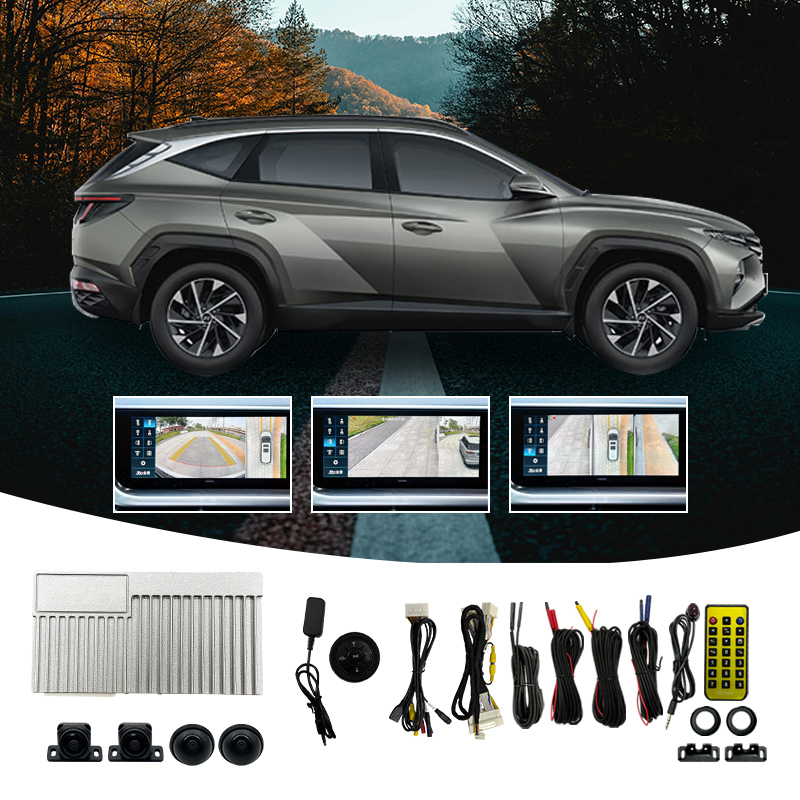
Selecting the right reverse camera manufacturer is a critical decision for automotive OEM integrators and fleet operators seeking to enhance vehicle safety and driver visibility. The performance of your reverse camera system directly impacts driver confidence, accident prevention, and overall fleet reliability. A quality reverse camera manufacturer delivers not just hardware, but engineered solutions that address real-world challenges such as extreme weather exposure, image lag, and sensor durability. Understanding how to optimize these systems ensures you gain maximum value from your investment and maintain competitive advantage in an increasingly safety-conscious market.
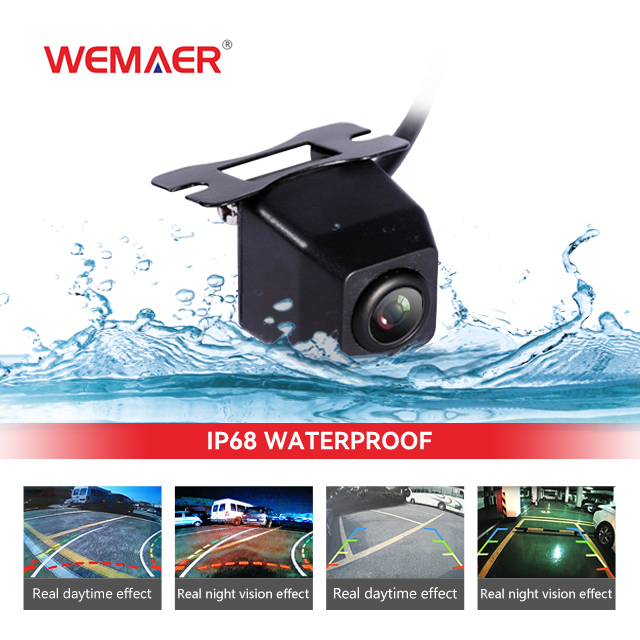
Optimizing reverse camera system performance requires a strategic approach that combines hardware selection, installation best practices, and ongoing maintenance protocols. Working with an experienced reverse camera manufacturer means gaining access to technical expertise that extends beyond initial product delivery. Modern vehicle integration demands that your reverse camera manufacturer understand integration with multiple display formats, power management systems, and dynamic lighting environments. This guide explores the key performance factors that define successful reverse camera deployment and how to work with manufacturers who deliver measurable improvements in driver safety and user experience.
Understanding Core Performance Metrics for Reverse Camera Systems
Image Quality and Resolution Standards
A reputable reverse camera manufacturer prioritizes image resolution and color accuracy as foundational performance indicators. Modern reverse camera systems should deliver at least 720p resolution, with premium offerings reaching 1080p or higher. Your chosen reverse camera manufacturer should provide consistent color reproduction across varying lighting conditions, from bright daylight to dimly lit parking environments. The quality of the image sensor, lens quality, and on-board processing determine whether drivers receive sharp, usable video feeds that actually reduce blind spots and enhance parking precision. When evaluating a reverse camera manufacturer, request sample footage captured across different weather conditions and lighting scenarios to assess real-world performance reliability.
Response Time and Latency Management
The latency between camera capture and display on the vehicle's screen is a critical but often overlooked performance metric that distinguishes premium reverse camera manufacturer solutions from basic offerings. Drivers need responsive, real-time video feeds to make safe reversing decisions; any significant delay creates dangerous disconnects between vehicle movement and what the driver sees. A quality reverse camera manufacturer implements low-latency transmission protocols that keep video delay under 100 milliseconds. Processing architecture, wireless transmission standards, and integration with the vehicle's display system all influence latency performance. When your reverse camera manufacturer delivers sub-100ms response times, parking becomes safer, faster, and more intuitive for drivers across all experience levels.
Durability and Environmental Resilience in Reverse Camera Design
Weather Resistance and Temperature Performance
Reverse cameras operate in one of the vehicle's harshest environments, exposed to moisture, temperature extremes, road salt, and mechanical vibration. A dependable reverse camera manufacturer engineers products with IP67 or higher waterproof ratings to withstand spray, submersion, and corrosive conditions. The camera lens must resist fogging and condensation buildup that obscures the driver's view in sudden temperature changes. Your reverse camera manufacturer should employ anti-reflective lens coatings and internal hydrophobic treatments that maintain optical clarity even after years of exposure to challenging weather. Temperature-rated components ensure the reverse camera maintains functionality from sub-zero winters to desert-heat summers without performance degradation. These durability features directly reduce warranty claims, extend product lifecycle, and improve customer satisfaction metrics.
Vibration Resistance and Mechanical Stability
Reverse cameras mounted on vehicle bumpers or rear panels experience continuous mechanical stress from road vibration, impacts, and thermal expansion cycling. A professional reverse camera manufacturer designs mounting solutions with precise shock absorption, vibration dampening materials, and reinforced housing structures. Internal component layout follows shock-resistant principles to prevent connector loosening, image sensor drift, or lens misalignment over vehicle lifespan. Your reverse camera manufacturer should provide comprehensive mounting hardware that distributes forces across stable attachment points rather than creating stress concentrations. When a reverse camera manufacturer prioritizes mechanical stability through engineered design rather than cost-cutting, the system maintains image alignment, connector integrity, and operational reliability across hundreds of thousands of miles.
Integration Compatibility and System Optimization Strategies
Multi-Platform Display Integration
Modern vehicles utilize diverse infotainment systems, from legacy analog setups to advanced digital touchscreen displays and heads-up projection systems. A forward-thinking reverse camera manufacturer develops solutions compatible with multiple display protocols including LVDS, MIPI CSI-2, Ethernet-based systems, and wireless transmission standards. Your chosen reverse camera manufacturer should provide customizable overlay options, dynamic gridlines, and distance warning markers that integrate seamlessly with existing vehicle interfaces. The system should automatically adapt video scaling, aspect ratio, and brightness levels based on the target display specifications. When your reverse camera manufacturer ensures broad compatibility across platform generations, you reduce integration complexity and extend the commercial viability of your vehicle products across changing market demands.
Power Management and Electrical System Optimization
Reverse camera systems must operate efficiently within vehicle electrical constraints, typically drawing power only when the transmission shifts into reverse. A conscientious reverse camera manufacturer designs low-power sensor modes and optimized processing architectures that minimize current draw on vehicle batteries and alternators. The system should implement smart power-down sequences that prevent parasitic drain when the vehicle is parked, extending battery life and reducing customer support calls. Your reverse camera manufacturer should provide detailed power consumption specifications across operational states and validate performance with original equipment electrical specifications. Advanced reverse camera manufacturer implementations incorporate capacitive storage solutions that maintain critical functions during momentary power fluctuations common in aging vehicle electrical systems.
FAQ
What distinguishes a quality reverse camera manufacturer from basic suppliers?
A quality reverse camera manufacturer combines engineered hardware with comprehensive technical support, delivering consistent performance across diverse vehicle platforms and environmental conditions. Premium manufacturers invest in rigorous testing protocols, validate durability across extreme scenarios, and provide responsive customer support when integration challenges arise. Basic suppliers typically offer commodity products with minimal differentiation, limited technical documentation, and disconnected support channels. The investment in partnering with a serious reverse camera manufacturer pays dividends through reduced integration time, fewer field failures, and enhanced customer satisfaction metrics that drive repeat business and positive market reputation.
How should I evaluate reverse camera manufacturer reliability for fleet deployment?
Assessing reverse camera manufacturer reliability requires requesting detailed specifications, accelerated life testing results, and references from existing OEM partners. Request sample units for field validation across your specific vehicle platforms and operating environments. A trustworthy reverse camera manufacturer provides transparent failure rate data, clear warranty terms, and documented root cause analysis processes for any reported issues. Examine the manufacturer's quality management certifications, supply chain stability, and track record supporting long-term fleet deployments. Investing time in thorough evaluation ensures your chosen reverse camera manufacturer delivers consistent performance and stands behind their products through the critical early deployment phase and beyond.
Can a reverse camera manufacturer system upgrade older vehicle models?
Yes, many reverse camera manufacturer solutions are specifically designed for retrofit and upgrade applications on vehicle models lacking factory reverse camera systems. A capable reverse camera manufacturer develops modular products with flexible mounting options, universal power connectors, and video output formats compatible with aftermarket display systems. Retrofit integration requires careful assessment of existing vehicle wiring, display compatibility, and mounting locations that don't compromise structural integrity. Your chosen reverse camera manufacturer should provide comprehensive integration guides, connector recommendations, and technical troubleshooting support for upgrade projects. Successfully upgrading older vehicles with modern reverse camera manufacturer systems significantly enhances driver safety and vehicle marketability without requiring complete electrical system redesign.