
 EN
EN
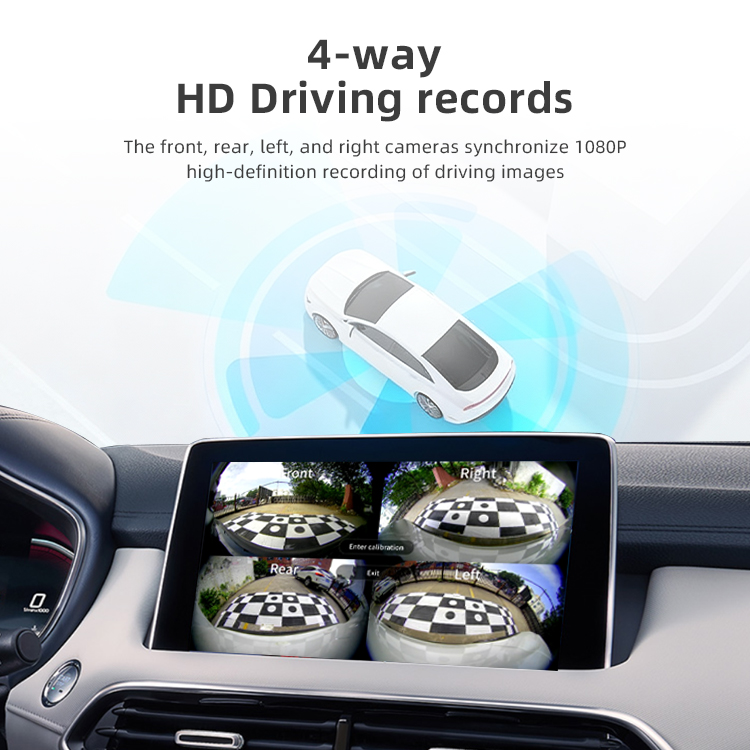
Selecting the right 360 degree camera system requires understanding the technology's capabilities, integration requirements, and real-world performance factors. Modern vehicles demand comprehensive visual awareness, and a properly evaluated 360 degree camera system delivers the situational intelligence that safety systems depend on. This guide walks you through the essential evaluation criteria that help buyers, engineers, and fleet managers make informed decisions about 360 degree camera system implementations.
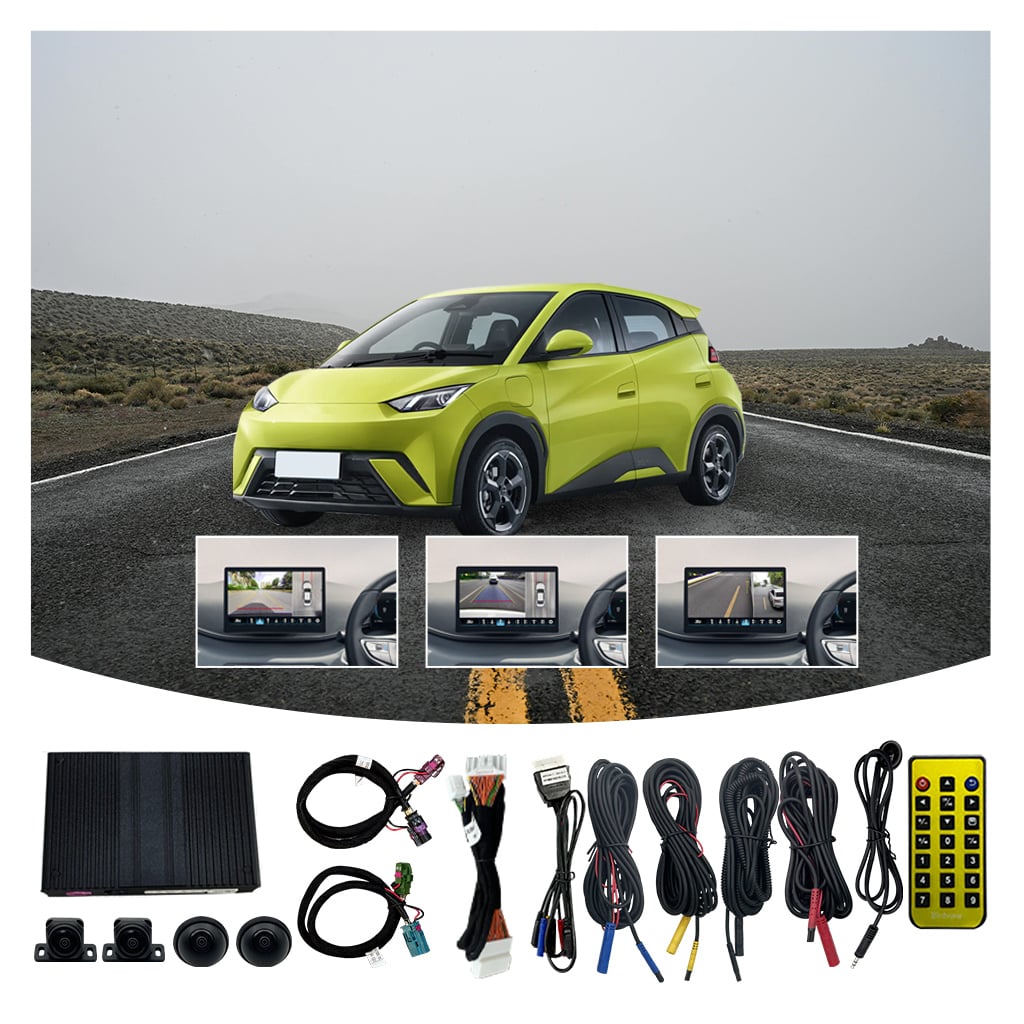
A 360 degree camera system transforms raw sensor data into actionable visuals that drivers trust for parking, maneuvering, and collision avoidance. The evaluation process goes far beyond checking resolution specifications; it encompasses image stitching quality, latency performance, installation complexity, and compatibility with existing vehicle electronics. Understanding these dimensions ensures your 360 degree camera system delivers consistent value across diverse driving scenarios and environmental conditions.
Core Technical Performance Factors
Image Quality and Stitching Seamlessness
The visual output of a 360 degree camera system determines whether drivers gain true situational awareness or become confused by distorted, poorly aligned images. Stitching quality directly impacts how seamlessly the four individual camera feeds blend into a cohesive overhead view. When evaluating a 360 degree camera system, examine the seam lines between adjacent camera feeds under different lighting conditions—poor stitching becomes most visible at vehicle edges and when objects cross seam boundaries. High-quality 360 degree camera system implementations use advanced calibration and overlap zones to eliminate visible artifacts that erode driver confidence.
Resolution specifications matter, but effective pixel utilization matters more. A 360 degree camera system with 720p per-camera feeds often outperforms a poorly-stitched 1080p system because compressed, misaligned images waste resolution capacity. Test the 360 degree camera system by observing how clearly parking lines, pedestrians, and nearby obstacles appear in the overhead view. Real-world installation conditions—sensor dirt, vibration, and thermal stress—degrade image quality over time, so your evaluation should consider how the 360 degree camera system maintains calibration stability throughout its operational lifespan.
Latency and Real-Time Responsiveness
System latency directly affects driver perception and safety response timing. A 360 degree camera system with excessive delay between actual vehicle movement and screen update creates dangerous confusion, especially during tight parking maneuvers. When evaluating 360 degree camera system performance, measure the time from sensor capture to full display refresh; industry best practice typically targets under 200 milliseconds for human perception to feel natural. Lower latency in your chosen 360 degree camera system means drivers react confidently to real-time conditions rather than compensating for system lag.
The 360 degree camera system processor must balance computational speed with image enhancement—noise reduction, contrast adjustment, and distortion correction all consume processing time. Evaluate whether the 360 degree camera system architecture separates real-time display functions from background processing, allowing critical latency-sensitive operations to execute first. Some 360 degree camera system implementations prioritize visual polish over responsiveness, creating a dangerous tradeoff that compromises actual safety despite appearing sophisticated in static demonstrations.
Integration and Compatibility Assessment
Vehicle Electrical Architecture Compatibility
Installing a 360 degree camera system demands deep understanding of the target vehicle's existing electrical infrastructure. Modern vehicles employ diverse video standards—LVDS, CSI, MIPI, analog composite—and your 360 degree camera system must match the vehicle's native interface without requiring extensive wiring modifications. When evaluating a 360 degree camera system, confirm whether it integrates with existing head unit displays, requires standalone screen addition, or demands complete infotainment replacement. A 360 degree camera system that demands expensive ancillary components becomes economically unviable for retrofit applications.
Power consumption matters significantly for 12V electrical systems already stressed by modern vehicle loads. Evaluate whether your chosen 360 degree camera system operates within existing power budgets or requires upgraded wiring infrastructure. Some 360 degree camera system designs incorporate integrated processors that simplify installation by eliminating external control units, while others distribute processing across multiple modules, complicating system integration. Test the 360 degree camera system's behavior during low-voltage conditions, battery disengagement scenarios, and rapid voltage fluctuations typical in automotive environments.
Display Output and User Interface Integration
The 360 degree camera system output must seamlessly integrate with driver controls and existing vehicle interfaces. Evaluate how the 360 degree camera system switches between normal navigation, parking mode, and reverse activation—smooth, intuitive transitions build user confidence while confusing workflows encourage drivers to disable the system entirely. Does your 360 degree camera system remember user preferences, allow customization of overlay elements, and respond to physical controls rather than demanding menu navigation? When evaluating a 360 degree camera system, prioritize designs that respect driver habit patterns developed through years of vehicle operation.
Display real estate constraints force 360 degree camera system designs to compress surround view images onto limited screen areas. Evaluate how effectively the 360 degree camera system utilizes available pixels without cutting off critical peripheral areas that drivers depend on for accurate judgment. Some 360 degree camera system implementations employ dynamic view switching—offering both overhead and perspective modes—allowing drivers to select optimal viewpoints for different maneuvers. Assess whether the 360 degree camera system supports this flexibility or forces a single static presentation.
Environmental Performance and Reliability
Optical Sensor Durability Under Operating Conditions
A 360 degree camera system operates in one of the most hostile vehicle environments: exposed to rain, mud, temperature extremes, and intense solar heating. Evaluate whether your 360 degree camera system sensors incorporate adequate lens coatings and hydrophobic treatments to maintain optical clarity through extended exposure. When testing a 360 degree camera system, observe performance during rain, fog, and glare conditions that commonly impair driver visibility. Does the 360 degree camera system degrade gracefully with reduced light input, or does it become unreliable when most needed?
Thermal cycling stresses all 360 degree camera system components, particularly the optical assemblies and sensor interfaces. Evaluate the 360 degree camera system's thermal management design—passive cooling, active airflow, or isolation from heat sources. Poor thermal design causes calibration drift, color shift, and eventual sensor failure that transforms your 360 degree camera system from safety asset into liability. Request thermal cycling test data from the 360 degree camera system manufacturer, confirming performance stability across the full automotive temperature range.
Sensor Fault Detection and Failsafe Behavior
A degraded 360 degree camera system that displays unreliable images endangers drivers more than system absence. Evaluate whether your 360 degree camera system implements robust self-diagnostics that detect lens obstruction, image corruption, latency failure, and calibration drift. When a 360 degree camera system detects internal faults, does it gracefully disable itself and alert the driver, or does it continue operating with compromised performance? Some 360 degree camera system implementations cross-check multiple sensor inputs, using inconsistencies to trigger failure alerts before catastrophic image degradation occurs.
Long-term reliability validation of a 360 degree camera system requires examining field failure data from production deployments. Evaluate the 360 degree camera system manufacturer's service history, warranty terms, and documented mean-time-between-failure (MTBF) statistics. Early-stage 360 degree camera system deployments often reveal unforeseen failure modes—optical delamination, connector corrosion, firmware instability—that don't appear in laboratory testing. Seek evidence that your 360 degree camera system has proven reliability across multiple model years and climatic regions.
FAQ
What key metrics should I prioritize when comparing different 360 degree camera systems?
Focus on latency performance, image stitching quality, and integration compatibility with your specific vehicle platform. A 360 degree camera system that exhibits poor stitching or excessive delay undermines safety despite other technical strengths. Additionally, verify that the 360 degree camera system meets your electrical architecture requirements without demanding expensive modifications or component replacements that eliminate cost-effectiveness advantages.
Can a 360 degree camera system work with existing vehicle displays?
Most modern vehicles can accommodate a 360 degree camera system retrofit, but integration complexity varies significantly based on existing head unit specifications. Some 360 degree camera system solutions leverage native video inputs in current displays, while others require dedicated screens or infotainment replacement. When evaluating a specific 360 degree camera system, obtain detailed compatibility documentation confirming whether your vehicle's display can natively support the required video standard and resolution.
How do environmental factors affect 360 degree camera system performance?
Environmental stress—moisture, temperature extremes, solar heating, road contamination—progressively degrades any 360 degree camera system over time. A well-designed 360 degree camera system incorporates environmental protection through optical coatings, sealed connectors, and thermal management that slows degradation. However, regular maintenance and periodic calibration verification keep your 360 degree camera system operating reliably; neglected systems eventually develop performance issues that compromise driver trust and safety effectiveness regardless of initial quality.