
 EN
EN
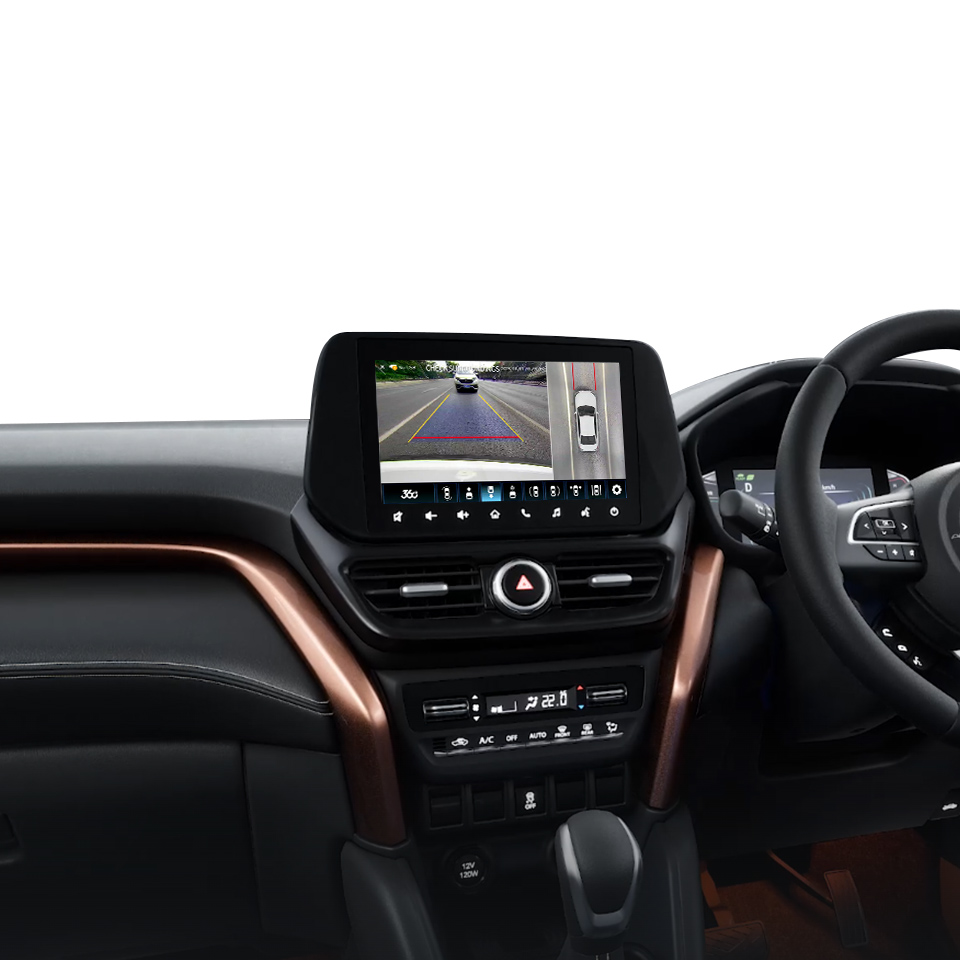
The automotive industry has witnessed a dramatic shift toward advanced safety and convenience features, with oem 360 car camera system installations becoming a critical differentiator in modern vehicle design. An oem 360 car camera system provides drivers with a complete surround-view perspective, eliminating blind spots and enhancing parking precision through integrated display technology. Unlike aftermarket solutions that retrofit into existing vehicles, an oem 360 car camera system is engineered during the manufacturing process to seamlessly integrate with the vehicle's electrical architecture, user interface, and safety protocols. This fundamental difference shapes performance, reliability, and long-term ownership experience in ways that matter significantly to fleet operators and individual buyers alike.
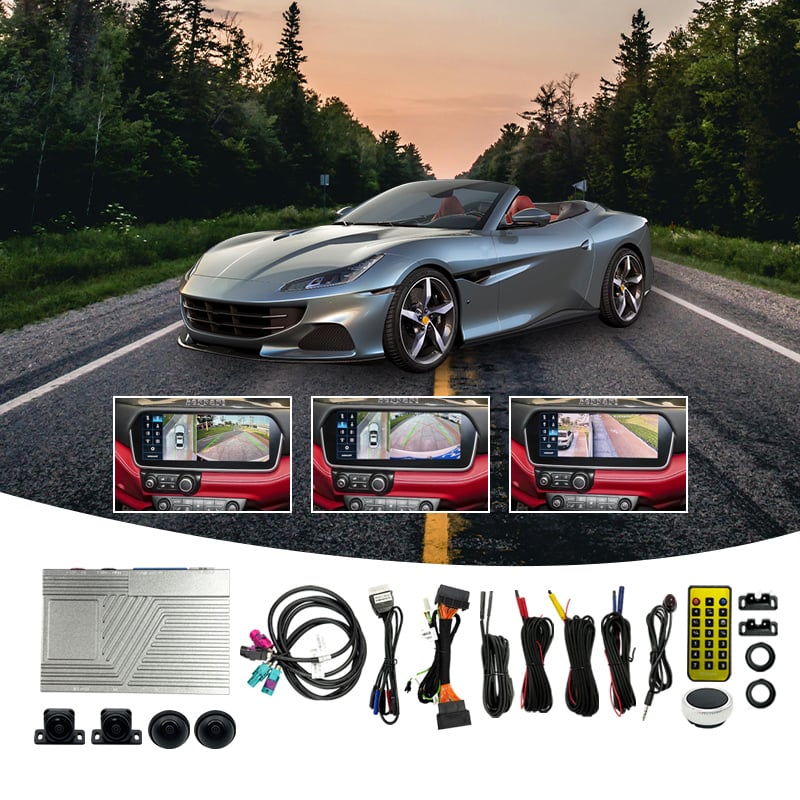
When evaluating surround-view camera technology for vehicles, the choice between an oem 360 car camera system and aftermarket alternatives directly impacts installation quality, warranty coverage, system stability, and resale value. An oem 360 car camera system typically costs more upfront but delivers superior integration, factory-backed support, and compatibility with the vehicle's original electrical systems. This comparison explores the technical, financial, and operational advantages that distinguish an oem 360 car camera system from competing solutions currently available in the market, helping decision-makers understand why original equipment manufacturer implementations have become the preferred standard for premium and mid-range vehicles globally.
Integration Architecture and System Design
Seamless Electronics Integration
An oem 360 car camera system is designed as an integral component of the vehicle's core electronics rather than an added afterthought. The oem 360 car camera system connects directly to the vehicle's body control module, infotainment system, and power distribution network through factory-designed harnesses and connectors. This native integration means the oem 360 car camera system receives power management, signal processing, and display orchestration from systems already calibrated for the specific vehicle model. In contrast, aftermarket solutions often require custom wiring, adapters, and independent power supplies that introduce potential failure points and compatibility inconsistencies. The oem 360 car camera system operates within the manufacturer's verified electrical environment, ensuring stable video feed transmission, synchronized multi-camera processing, and reliable activation tied to reverse gear engagement or driver-initiated commands.
Display and User Interface Alignment
The infotainment display in vehicles equipped with an oem 360 car camera system is pre-calibrated to render surround-view footage at optimal resolution and refresh rates specific to that display hardware. An oem 360 car camera system automatically adjusts image processing parameters based on lighting conditions, vehicle speed, and steering angle inputs, creating a dynamic visual experience that feels native to the vehicle's technology ecosystem. Aftermarket oem 360 car camera system competitors often struggle with display scaling, color calibration, and responsiveness because they lack direct access to the manufacturer's proprietary display drivers and graphical processing pipelines. When an oem 360 car camera system is installed at the factory, the digital interface, camera firmware, and display rendering algorithms are tested and optimized as a unified system, eliminating the lag and image quality inconsistencies that frequently plague retrofit installations.
Reliability, Warranty, and Support Infrastructure
Factory Warranty and Liability Protection
An oem 360 car camera system is covered under the vehicle manufacturer's comprehensive warranty, typically spanning three to five years or the specified mileage limit. The oem 360 car camera system warranty encompasses all components—camera modules, wiring harnesses, processors, and display software—as a single integrated product with unified support and replacement protocols. If an oem 360 car camera system fails, the vehicle owner returns to an authorized dealership where technicians have factory training, original diagnostic tools, and direct access to replacement parts and software updates. Aftermarket solutions generally provide limited warranties from the installer or third-party manufacturer, and disputes about responsibility often arise when failures occur at the intersection of the camera system and vehicle electronics. An oem 360 car camera system eliminates this ambiguity because the vehicle manufacturer takes full responsibility for system performance and longevity as part of the overall vehicle design promise.
Long-Term Technical Support and Software Evolution
Vehicle manufacturers continuously release firmware updates and diagnostic refinements for an oem 360 car camera system through regular software updates delivered at dealership service appointments or over-the-air. An oem 360 car camera system benefits from manufacturer-level surveillance of real-world performance data, allowing engineers to identify edge cases and optimize algorithms across the entire vehicle fleet. The oem 360 car camera system evolves alongside other safety systems, ensuring that camera inputs feed seamlessly into parking assistance, collision avoidance, and autonomous driving preparatory features as the vehicle ages. Aftermarket systems rarely receive meaningful software updates after installation, locking users into whatever performance level existed at purchase. An oem 360 car camera system ensures that technical obsolescence is minimized and that safety improvements developed by the manufacturer automatically propagate to existing owners.
Cost-of-Ownership and Market Value Considerations
Total Cost Analysis Across Vehicle Lifecycle
While an oem 360 car camera system typically costs between 800 and 1500 dollars more than aftermarket alternatives during vehicle purchase or factory option selection, the total cost of ownership often favors the integrated solution. An oem 360 car camera system installation requires no additional labor during manufacturing, meaning the marginal cost-per-unit in factory production is significantly lower than retrofit installation labor rates. An oem 360 car camera system eliminates recurring diagnostic fees, compatibility troubleshooting, and emergency repairs that frequently plague aftermarket systems. The oem 360 car camera system rarely requires replacement during the ownership period when properly maintained, whereas aftermarket cameras often experience connector corrosion, sensor degradation, or software incompatibility within five to seven years. When vehicles equipped with an oem 360 car camera system enter the used market, the integrated safety technology commands a measurable price premium and attracts a broader buyer base seeking factory-verified reliability.
Resale Value and Market Perception
A vehicle equipped with an oem 360 car camera system is perceived by used-car buyers and fleet operators as more reliable and better-engineered than one with aftermarket surround-view technology. An oem 360 car camera system serves as proof that the manufacturer invested in comprehensive safety design and infotainment capability from the outset. The presence of an oem 360 car camera system signals to potential buyers that the vehicle has factory-backed electronics and reduced risk of system failure or compatibility problems. Conversely, vehicles with visible aftermarket camera installations often raise concerns about the owner's motivations for adding the system, potential underlying electrical issues, or previous accidents. An oem 360 car camera system preserves and enhances resale desirability in ways that extend well beyond the system's functional value, making it a financially prudent investment for those planning to sell or trade the vehicle eventually.
FAQ
What is the primary advantage of an OEM 360 car camera system over aftermarket alternatives?
The primary advantage is seamless integration into the vehicle's factory electrical architecture and infotainment system. An oem 360 car camera system is designed and tested as part of the original vehicle specification, ensuring optimal performance, reliable power management, comprehensive warranty coverage, and long-term technical support through authorized dealerships. Aftermarket systems lack this factory optimization and typically offer limited warranty protection and support infrastructure after installation.
How does an OEM 360 car camera system affect vehicle resale value?
An oem 360 car camera system installed at the factory increases perceived reliability and premium appeal to used-car buyers, commanding measurable price premiums compared to vehicles without this feature or those retrofitted with aftermarket solutions. The oem 360 car camera system signals comprehensive original engineering and reduces buyer concerns about electrical compatibility or hidden system failures, making it a strong value retention factor throughout the ownership lifecycle.
Does an OEM 360 car camera system require special maintenance or periodic replacement?
An oem 360 car camera system requires minimal maintenance beyond routine vehicle service and occasional lens cleaning to maintain image clarity. The oem 360 car camera system rarely needs component replacement during the vehicle's ownership period when properly maintained, and factory firmware updates are automatically delivered through dealership service or over-the-air connectivity, ensuring continued optimal performance and compatibility with other vehicle systems.