
 EN
EN
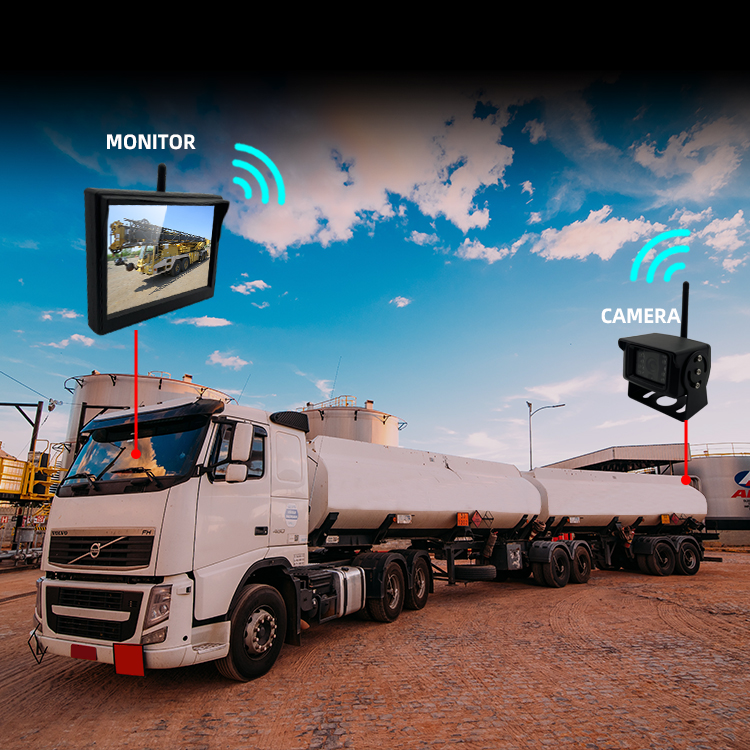
Modern vehicles depend on precision engineering to protect occupants and prevent accidents. Car manufacturer-specific cameras represent a critical advancement in automotive safety, offering manufacturers and aftermarket integrators the ability to deploy factory-calibrated imaging systems that seamlessly integrate with original equipment dashboards and driver assistance platforms. These specialized car manufacturer-specific cameras are engineered to meet exact vehicle specifications, sensor calibration standards, and electrical integration requirements that generic third-party systems cannot replicate.
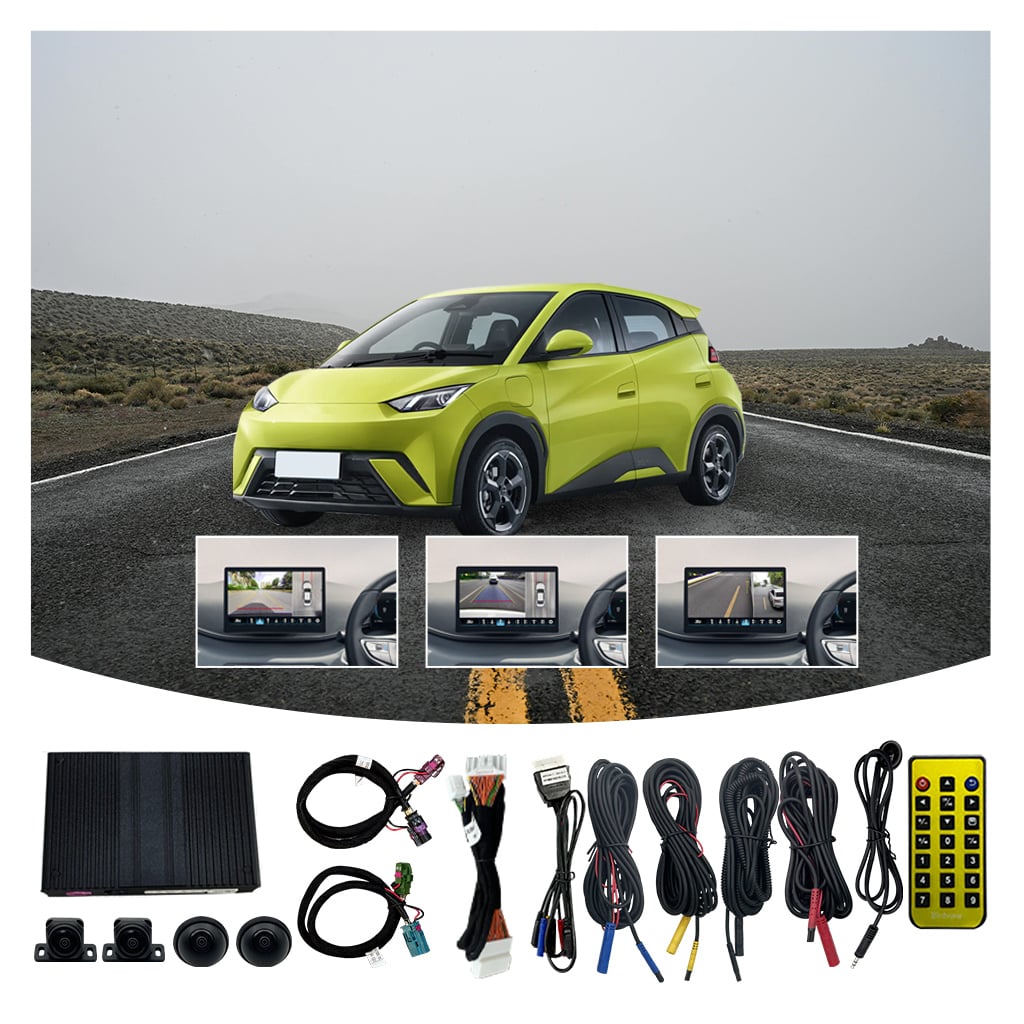
Safety is the primary consideration in vehicle design, and car manufacturer-specific cameras play an essential role in creating comprehensive visibility solutions. Unlike aftermarket retrofits that often suffer from misalignment, calibration drift, or incompatibility with factory electronics, car manufacturer-specific cameras are validated during production and integrated into the vehicle's core safety architecture. This article explores how these specialized camera systems enhance driver awareness, reduce accident risk, and support modern autonomous driving features.
Understanding Car Manufacturer-Specific Camera Technology
Integration with Factory Systems
Car manufacturer-specific cameras are designed to work seamlessly with original vehicle electronics, including display systems, power distribution networks, and advanced driver assistance modules. When manufacturers develop car manufacturer-specific cameras, they establish precise electrical interfaces, video signal formats, and data protocols that match the vehicle's original architecture. This native integration eliminates the compatibility issues that plague generic aftermarket solutions, ensuring video feeds display correctly on factory screens without signal degradation or synchronization errors.
The design philosophy behind car manufacturer-specific cameras prioritizes reliability and long-term performance. These systems undergo rigorous testing under various temperature ranges, humidity conditions, vibration levels, and electrical fault scenarios to ensure they maintain consistent image quality throughout the vehicle's operational life. Manufacturers validate car manufacturer-specific cameras using the same durability standards applied to critical safety components, resulting in systems built to withstand harsh automotive environments without premature failure or image drift.
Calibration and Precision Specifications
Precision calibration is fundamental to how car manufacturer-specific cameras deliver safety benefits. Each camera system is calibrated to specific mounting angles, focal lengths, and distortion correction profiles that correspond exactly to the vehicle model and sensor placement. Car manufacturer-specific cameras achieve this calibration consistency by embedding factory parameters directly into the camera firmware and maintaining strict manufacturing tolerances during assembly.
The calibration of car manufacturer-specific cameras directly impacts their ability to support collision avoidance features, parking assistance algorithms, and lane-keeping systems. When these systems rely on accurate image geometry and real-time spatial awareness, even small calibration errors can compromise safety performance. Manufacturers invest in precision equipment and validation processes to ensure every car manufacturer-specific cameras unit meets identical specifications, creating predictable system performance across vehicle production batches.
Safety Enhancement Through Comprehensive Coverage
360-Degree Visibility Solutions
Modern car manufacturer-specific cameras frequently employ multi-camera architectures that provide complete surround visibility, eliminating blind spots that represent significant accident risks. A typical 360-degree system using car manufacturer-specific cameras includes front, rear, left-side, and right-side image sensors positioned at strategic points around the vehicle perimeter. Car manufacturer-specific cameras feeding this surround-view configuration generate a bird's-eye perspective that allows drivers to see obstacles, pedestrians, and other vehicles in areas invisible to direct line-of-sight or traditional mirrors.
The integration of car manufacturer-specific cameras into comprehensive visibility systems creates a psychological and practical safety benefit. Drivers gain confidence when maneuvering in tight parking spaces, reversing in congested areas, or navigating around blind corners. Car manufacturer-specific cameras display real-time image feeds on center displays, allowing occupants to make informed decisions about vehicle positioning and movement before committing to potentially dangerous maneuvers. This proactive awareness substantially reduces the probability of backing accidents, side-swipe collisions, and pedestrian strikes.
Night Vision and Low-Light Performance
Advanced car manufacturer-specific cameras incorporate infrared imaging, enhanced sensor sensitivity, and adaptive gain circuitry to maintain image quality during night driving and adverse lighting conditions. When car manufacturer-specific cameras include infrared or thermal capabilities, they detect obstacles, animals, and pedestrians that would remain invisible to standard visible-light sensors operating in darkness. This enhanced detection capability directly translates into accident prevention by alerting drivers to hazards before they enter the vehicle's immediate path.
Manufacturer-designed car manufacturer-specific cameras can be tuned specifically for the vehicle's electrical power budget, thermal environment, and processing capacity. Specialized firmware optimization ensures that car manufacturer-specific cameras deliver useful night-vision imagery without draining battery reserves or overloading the central processing unit. This optimization is difficult to achieve through aftermarket solutions, where generic hardware specifications often create performance compromises between image quality, power consumption, and system responsiveness.
Integration with Advanced Driver Assistance Systems
Synergy with Autonomous Driving Features
Car manufacturer-specific cameras serve as critical input sensors for advanced driver assistance systems, including adaptive cruise control, lane departure warnings, and automated parking functions. When car manufacturer-specific cameras provide consistent, calibrated image data, autonomous algorithms can reliably interpret road markings, detect obstacles, and predict collision scenarios. The tight integration between car manufacturer-specific cameras and proprietary driving assistance software creates safety performance that would be impossible to achieve through generic aftermarket retrofits.
Manufacturers design car manufacturer-specific cameras to output data in formats that their autonomous systems expect, including specific image dimensions, frame rates, and metadata tags. Car manufacturer-specific cameras synchronized with vehicle control modules ensure that collision warnings trigger at appropriate distances, parking assistance applies corrective steering at the right moments, and emergency braking activates before impact becomes unavoidable. This synchronized operation depends on factory integration that aftermarket solutions simply cannot replicate.
Data Validation and Redundancy
Safety-critical systems require redundancy and validation mechanisms to ensure they continue functioning during hardware faults or adverse conditions. Car manufacturer-specific cameras incorporate internal self-diagnostic routines that continuously monitor image quality, sensor health, and electrical connections. When car manufacturer-specific cameras detect degradation or failure, they communicate status information to the vehicle's central safety module, which alerts the driver and potentially disables dependent features to prevent false alarms or dangerous automation errors.
The diagnostic architecture built into car manufacturer-specific cameras represents months of engineering work during vehicle development. Manufacturers test car manufacturer-specific cameras under conditions that simulate dust contamination, lens fogging, electrical noise, and sensor aging to ensure diagnostic systems reliably detect all failure modes. This robustness is why original equipment car manufacturer-specific cameras deliver superior safety performance compared to aftermarket alternatives that lack similar validation.
FAQ
What distinguishes car manufacturer-specific cameras from generic aftermarket camera systems?
Car manufacturer-specific cameras are engineered and validated specifically for individual vehicle models, with precise electrical interfaces, software integration, and calibration parameters that match the original vehicle architecture. Generic aftermarket systems use standardized designs that attempt to fit multiple vehicle types, resulting in compromises in image quality, display compatibility, and integration with factory electronics. Car manufacturer-specific cameras undergo production validation and durability testing equivalent to other critical safety components, while aftermarket solutions typically receive minimal validation before sale.
How do car manufacturer-specific cameras improve accident prevention during parking and reversing?
Car manufacturer-specific cameras provide real-time surround-view imaging that eliminates blind spots during low-speed maneuvering, allowing drivers to see obstacles before they strike the vehicle. When car manufacturer-specific cameras display continuous feeds on factory dashboard displays, drivers gain spatial awareness that would be impossible using mirrors alone, enabling them to detect stationary objects, animals, pedestrians, and other vehicles before committing to parking or reversing movements. The improved visibility directly reduces backing accident frequency and severity.
Can car manufacturer-specific cameras be retrofitted to older vehicles?
Retrofitting car manufacturer-specific cameras to older vehicles is technically challenging because the camera systems require specific electrical connectors, power distribution connections, and display interfaces that vary by manufacturer and model year. Some aftermarket suppliers offer car manufacturer-specific cameras designed for popular vehicle models, but true factory-grade integration typically requires professional installation and potential electrical modifications. Retrofit car manufacturer-specific cameras may not achieve the same performance or safety validation as original equipment systems.