
 EN
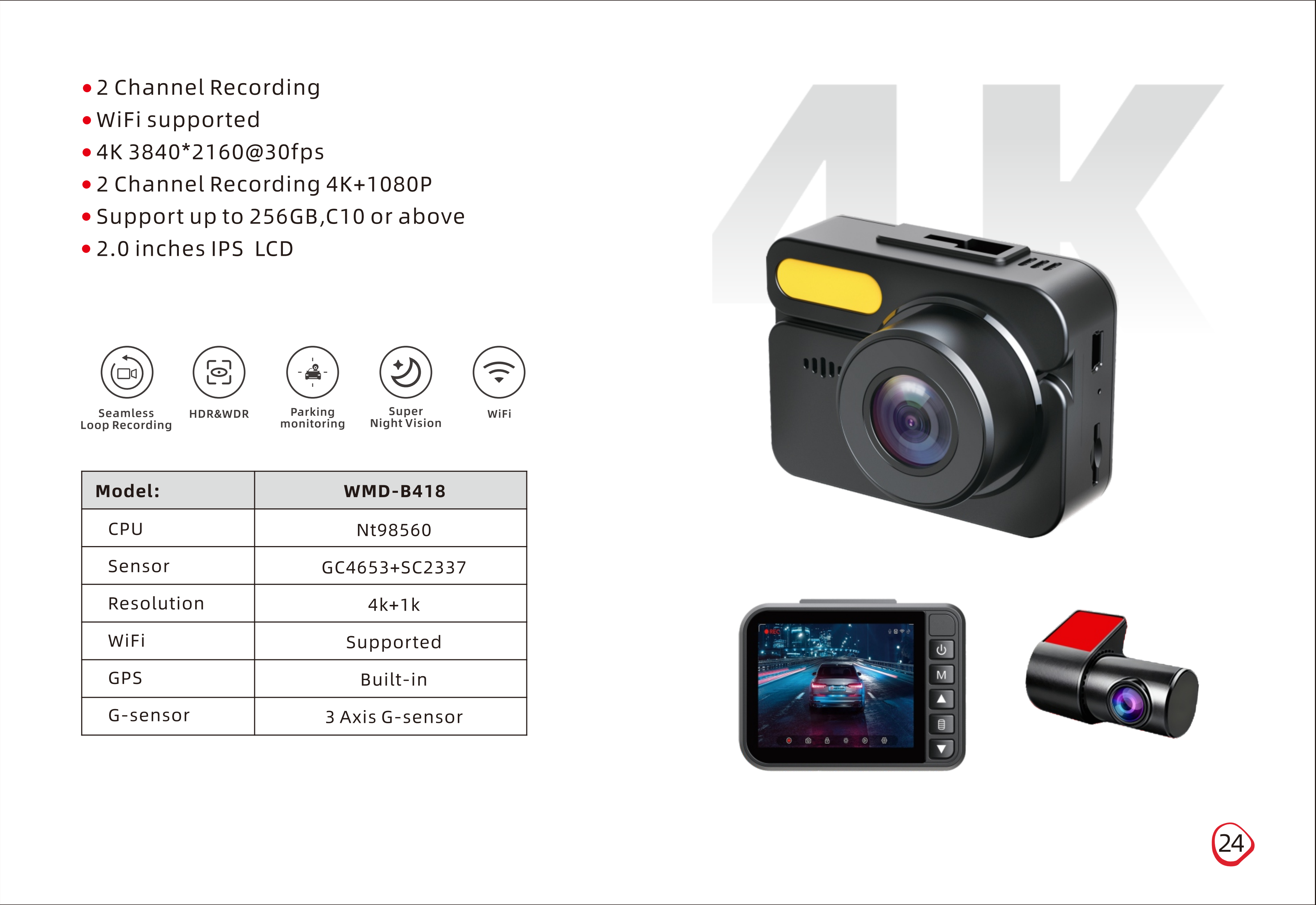
The automotive industry is experiencing a significant shift toward integrated safety solutions, and the oem style dash cam has emerged as a critical component in modern vehicle design. Unlike aftermarket alternatives, an oem style dash cam integrates seamlessly into the vehicle's original architecture, providing manufacturers and consumers with factory-level reliability and aesthetic consistency. This rising demand reflects broader industry recognition that integrated recording systems are no longer luxury features but essential safety infrastructure.
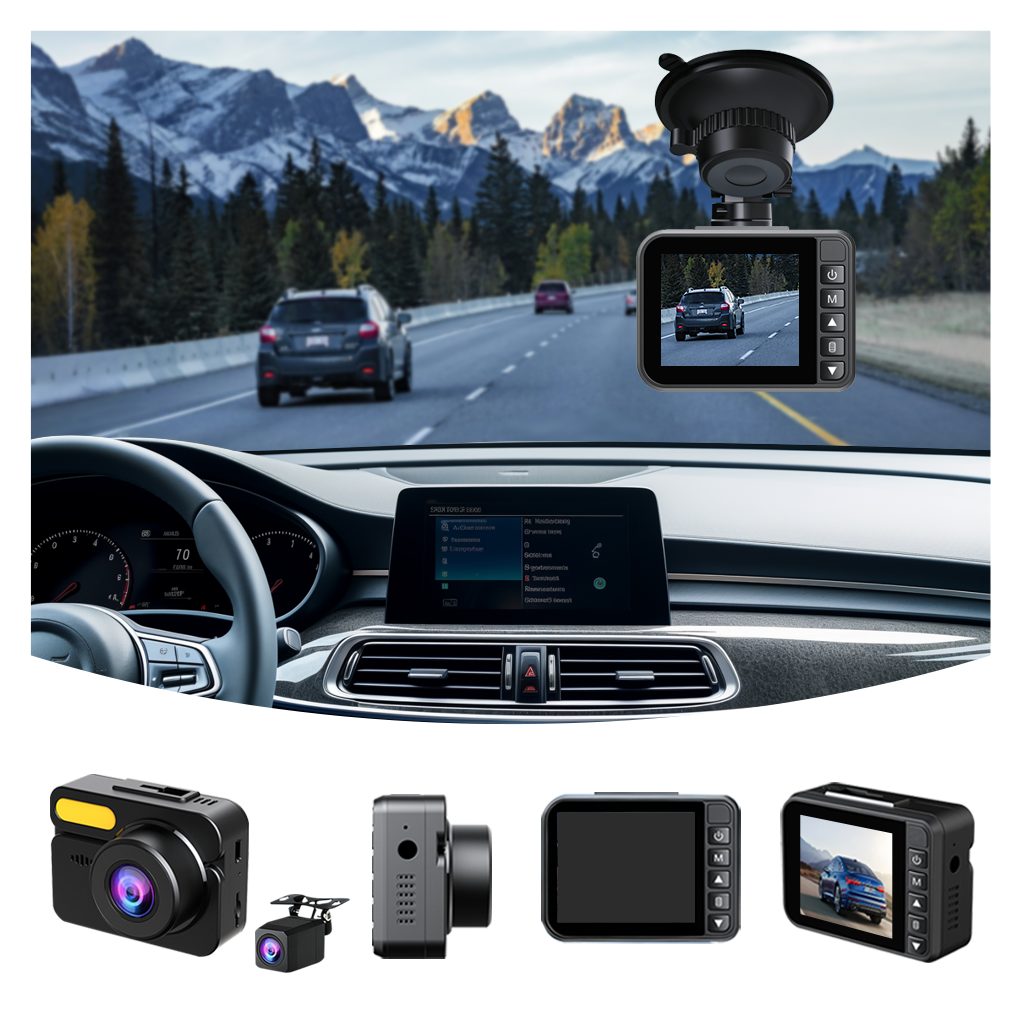
The surge in oem style dash cam demand stems from multiple converging factors: increased insurance company incentives for recorded footage, growing consumer awareness of accident documentation value, and regulatory pressure for enhanced vehicle safety features. Manufacturers recognize that an oem style dash cam embedded in the vehicle's design attracts buyers who prioritize protection and transparency. This evolution represents a fundamental change in how vehicles are equipped and how accident liability is managed.
Understanding OEM Style Dash Cam Integration
Factory Integration Advantages
An oem style dash cam differs fundamentally from aftermarket units because it is designed and installed during vehicle manufacturing rather than retrofitted post-purchase. This integration allows the oem style dash cam to connect directly to the vehicle's power system, eliminating the need for visible wiring harnesses. The camera aligns with the vehicle's interior design, uses factory-approved mounting points, and integrates with the vehicle's computer network for features like automatic recording during collisions or when the ignition activates.
When manufacturers implement an oem style dash cam from the factory floor, they ensure that video quality, sensor calibration, and data storage comply with brand standards and legal requirements. The oem style dash cam becomes part of the vehicle's warranty coverage, giving buyers confidence in durability and support. This level of integration distinguishes factory cameras from consumer-grade aftermarket options that lack these protective guarantees.
Hardware and Software Specifications
Modern oem style dash cam systems typically feature high-definition video capture, ranging from 1080p to 4K resolution, paired with advanced image sensors designed for low-light performance. The oem style dash cam often includes multiple camera angles—forward-facing, cabin-facing, or even rear-facing—to document different perspectives during an incident. Built-in storage uses either encrypted solid-state drives or cloud-based systems that automatically back up footage to prevent data loss.
Software capabilities embedded in an oem style dash cam ecosystem include motion detection, loop recording, incident flagging, and integration with the vehicle's infotainment system. The oem style dash cam can also interface with driver assistance features, capturing when safety systems activate. This technological convergence means an oem style dash cam serves as both a protective tool and a data repository for vehicle performance analysis.
Market Drivers Accelerating OEM Style Dash Cam Adoption
Insurance and Liability Incentives
Insurance companies are aggressively promoting oem style dash cam installation because video evidence dramatically reduces claim disputes and investigation costs. When an oem style dash cam captures accident circumstances, insurers gain objective data that speeds up settlement processes and deters fraudulent claims. Many insurers now offer premium discounts for vehicles equipped with an oem style dash cam, making factory integration economically attractive to both manufacturers and buyers.
Fleet operators and commercial vehicle owners have become early adopters of oem style dash cam technology because fleet insurance premiums are highly sensitive to accident frequency and liability outcomes. An oem style dash cam provides fleet managers with data for driver coaching, accident reconstruction, and compliance reporting. This commercial demand has accelerated oem style dash cam development and pushed manufacturers to build robust systems capable of handling intensive data recording and retrieval requirements.
Regulatory and Safety Standards
Regulatory bodies in multiple jurisdictions have begun mandating or recommending event data recorders and camera systems in vehicles, creating compliance pressure on manufacturers. An oem style dash cam addresses these emerging regulations by providing standardized, factory-certified recording capabilities that meet legal standards for data integrity and retention. The oem style dash cam also supports autonomous vehicle development and advanced driver assistance system validation, making it essential for manufacturers pursuing higher levels of vehicle autonomy.
Consumer protection agencies have highlighted the value of oem style dash cam systems in documenting unsafe driving practices, theft, and vandalism. This regulatory momentum has transformed the oem style dash cam from a premium feature into an expected component of modern vehicle safety architecture. Manufacturers integrating an oem style dash cam early gain competitive advantages as regulations tighten and buyer expectations evolve.
Business and Consumer Impact of OEM Style Dash Cam Growth
Manufacturing Supply Chain Changes
The surge in oem style dash cam demand is reshaping automotive supply chains as manufacturers integrate specialized camera suppliers, sensor vendors, and data management platforms into production workflows. An oem style dash cam requires coordination between electrical systems, structural design, and software integration departments. Tier-one and tier-two suppliers now invest heavily in oem style dash cam development, creating new business opportunities and competitive dynamics within the automotive ecosystem.
Quality assurance standards for an oem style dash cam are significantly stricter than aftermarket equivalents because factory systems must perform reliably across millions of vehicles over multi-year lifecycles. This has driven innovation in thermal management, vibration resistance, and long-term data storage reliability. Manufacturers building an oem style dash cam capability gain brand differentiation and capture emerging revenue streams from telematics, insurance integration, and data services.
Consumer Preferences and Market Positioning
Buyers increasingly view an oem style dash cam as a baseline safety feature rather than an optional upgrade, particularly in premium and mid-market vehicle segments. The presence of an oem style dash cam influences purchasing decisions, trade-in valuations, and insurance premium calculations. As consumer awareness grows, an oem style dash cam becomes a significant marketing advantage and brand positioning tool for manufacturers.
The oem style dash cam trend also reflects changing buyer demographics, with younger owners prioritizing vehicle connectivity and data transparency. First-time buyers and families purchasing vehicles for safety reasons specifically seek models with an oem style dash cam already integrated. This demographic shift ensures continued market growth and manufacturer investment in oem style dash cam technology across vehicle categories.
FAQ
How does an oem style dash cam differ from aftermarket options?
An oem style dash cam is factory-integrated during vehicle manufacturing, offering seamless power integration, weatherproofing, and design consistency unavailable in aftermarket systems. Factory installation ensures warranty coverage, software optimization, and compliance with vehicle specifications. Aftermarket dash cams require manual installation, visible wiring, and independent power management, making them less reliable and more prone to user error. An oem style dash cam provides professional-grade integration that aftermarket products cannot match.
What triggers increased demand for oem style dash cam systems?
Insurance company premium discounts, regulatory mandates for event recording, fleet safety requirements, and consumer awareness of accident documentation value all drive oem style dash cam adoption. Rising insurance fraud and the need for objective liability evidence accelerate demand in commercial and personal vehicle segments. Manufacturers respond by embedding an oem style dash cam into production lines to meet buyer expectations and regulatory requirements.
Will oem style dash cam technology continue expanding in the automotive market?
Yes, oem style dash cam adoption will continue accelerating as regulations tighten, insurance incentives expand, and autonomous vehicle development requires extensive data recording. The oem style dash cam market is expected to grow substantially as manufacturing costs decline and integration becomes standard practice. Future developments will likely include expanded multi-camera configurations, real-time cloud connectivity, and deeper integration with vehicle safety systems.