 EN
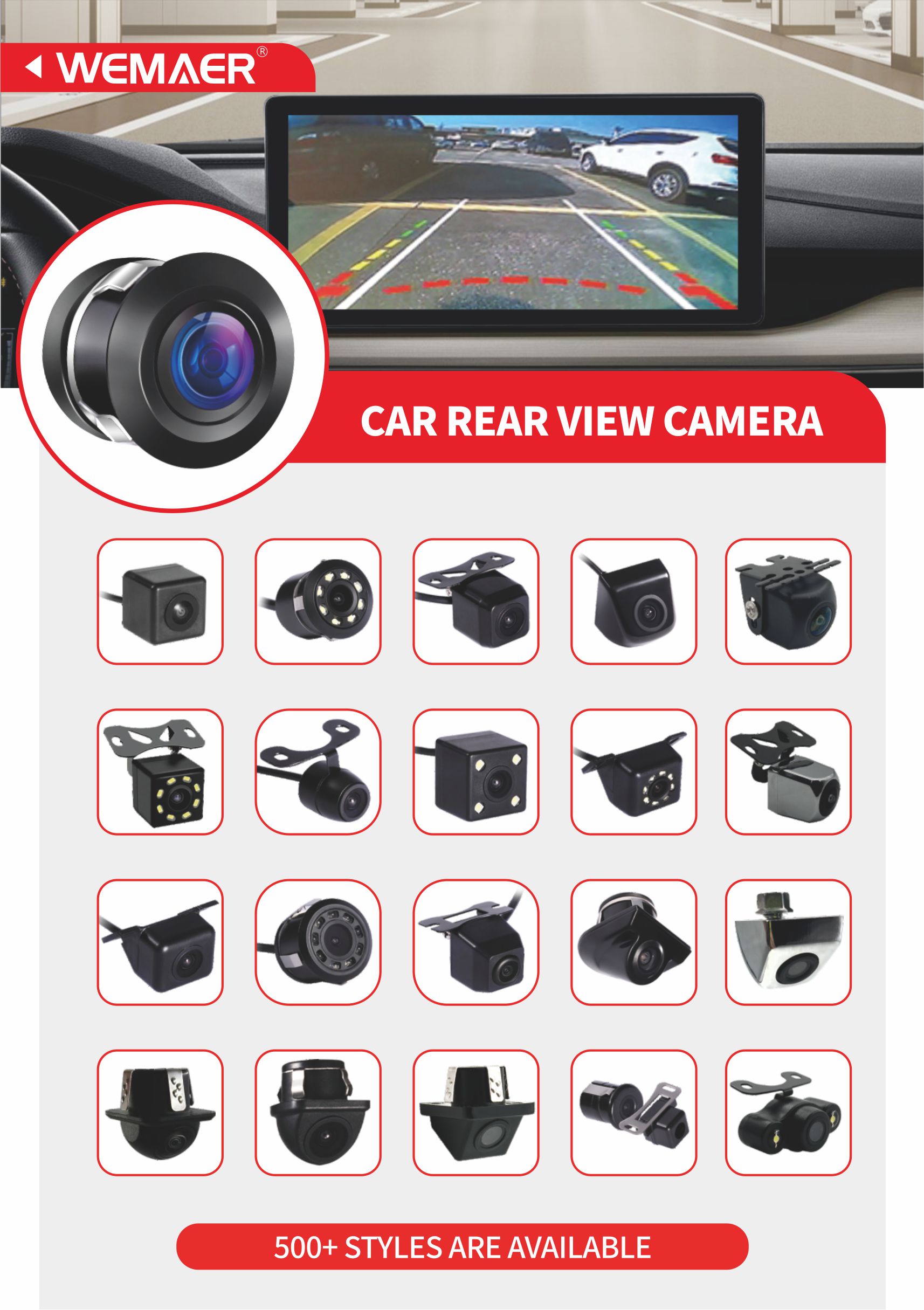
The automotive industry is undergoing rapid transformation, and selecting the right vehicle camera supplier has become a critical decision for manufacturers, fleet operators, and aftermarket integrators. As we move into 2026, the landscape of vehicle camera supplier options continues to evolve with advances in artificial intelligence, sensor capabilities, and integration standards. Understanding what distinguishes a quality vehicle camera supplier from the competition is essential for making informed procurement decisions that align with your operational and regulatory requirements.
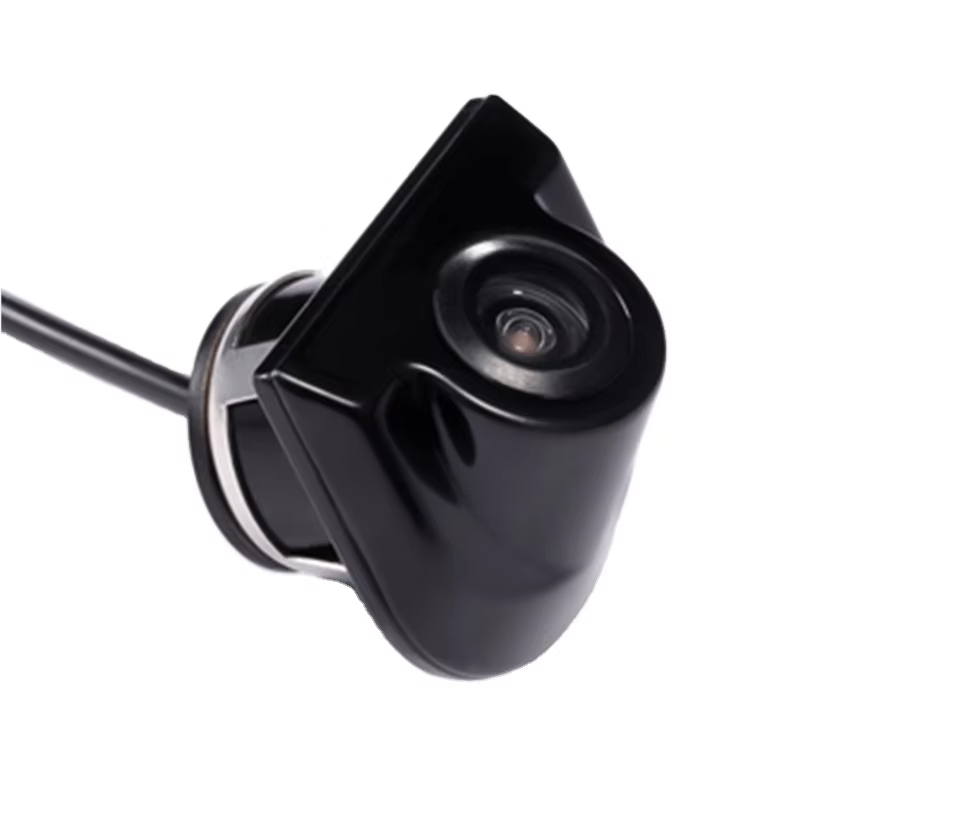
The role of a vehicle camera supplier extends far beyond simply providing hardware. Today's vehicle camera supplier must deliver integrated solutions that combine advanced imaging technology, real-time processing capabilities, seamless vehicle integration, and compliance with global safety standards. Whether you are evaluating options for 360-degree surround view systems, advanced driver assistance systems, or fleet monitoring applications, knowing what a reliable vehicle camera supplier brings to the table is fundamental to your success.
Core Capabilities of a Modern Vehicle Camera Supplier
Advanced Imaging and Sensor Technology
A competent vehicle camera supplier must offer state-of-the-art imaging sensors that deliver high-resolution output in diverse lighting conditions. The best vehicle camera supplier integrates multiple sensor types, including full high-definition and ultra-high-definition options, to meet varying application demands. Modern vehicle camera supplier systems utilize advanced CMOS technology, dynamic range optimization, and low-light performance enhancements that ensure reliable operation whether your vehicles operate during daylight, twilight, or complete darkness. This technical foundation directly impacts safety outcomes and user experience, making sensor quality a defining factor when selecting your vehicle camera supplier.
System Integration and Compatibility
Selecting the right vehicle camera supplier means ensuring seamless integration with your existing vehicle platforms and software ecosystems. A professional vehicle camera supplier provides multiple interface options including LVDS, Ethernet, USB, and wireless protocols to accommodate diverse vehicle architectures. The preferred vehicle camera supplier also offers comprehensive software development kits, API documentation, and technical support resources that accelerate your deployment timeline. Integration capability directly affects your time-to-market and reduces costly rework, making this a critical evaluation criterion for any vehicle camera supplier partnership.
Quality Standards and Regulatory Compliance
Certification and Performance Verification
A trustworthy vehicle camera supplier maintains certifications across major automotive standards including ISO 26262 for functional safety, ISO/IEC 27001 for information security, and regional regulations such as Euro NCAP requirements. Your vehicle camera supplier should provide detailed performance data, third-party testing results, and traceability documentation for all critical components. The leading vehicle camera supplier also maintains continuous quality monitoring throughout production, with rigorous environmental testing protocols that validate performance across temperature extremes, vibration conditions, and electromagnetic interference scenarios. This commitment to verification ensures that your selected vehicle camera supplier delivers consistent, reliable performance throughout your product's lifecycle.
Durability and Environmental Resilience
A dependable vehicle camera supplier engineers products to withstand harsh automotive environments including temperature fluctuations from minus forty to plus eighty-five degrees Celsius, moisture exposure, road salt corrosion, and mechanical vibration. The most reliable vehicle camera supplier uses premium materials, corrosion-resistant coatings, and sealed enclosures to maximize field longevity. Your vehicle camera supplier should also provide comprehensive warranty coverage and documented repair or replacement protocols that support your after-sales commitments to end customers. Environmental resilience directly translates to lower warranty claims and higher customer satisfaction, making it a strategic advantage when partnering with an experienced vehicle camera supplier.
Support, Customization, and Long-term Partnership
Technical Support and Problem Resolution
An excellent vehicle camera supplier provides responsive technical support that spans design consultation, integration troubleshooting, field diagnostics, and continuous improvement cycles. Your vehicle camera supplier should maintain documentation systems, firmware update mechanisms, and engineering escalation processes that address issues proactively. The best vehicle camera supplier also establishes collaborative relationships with your engineering teams, offering regular reviews, performance analytics, and roadmap alignment discussions. This partnership approach transforms your vehicle camera supplier from a mere component provider into a strategic technology partner who shares accountability for your solution's success.
Customization and Roadmap Alignment
Different vehicle platforms, market segments, and application scenarios demand tailored solutions. A progressive vehicle camera supplier offers customization flexibility for form factor, connector specifications, resolution options, and feature sets without imposing excessive development costs or extended lead times. Your vehicle camera supplier should also transparently share their technology roadmap, showing how emerging capabilities like advanced artificial intelligence, 8K resolution, and enhanced night vision will be incorporated into future products. When your vehicle camera supplier invests in innovation aligned with your strategic direction, you gain competitive advantages that extend well beyond the current production cycle.
FAQ
What should I prioritize when evaluating a vehicle camera supplier?
When assessing a vehicle camera supplier, prioritize three dimensions simultaneously: technical capability including sensor quality and resolution options, integration compatibility with your specific vehicle platforms, and organizational reliability including certifications, support infrastructure, and financial stability. A strong vehicle camera supplier should demonstrate expertise in your target market segment, provide detailed performance specifications, and offer flexible customization options. Additionally, assess their commitment to innovation and long-term roadmap alignment with your business strategy, as these factors determine whether your vehicle camera supplier relationship will remain valuable as technology evolves.
How do I verify a vehicle camera supplier's quality standards?
Request comprehensive documentation from your vehicle camera supplier including third-party test reports, regulatory certifications, and performance benchmarks across temperature, vibration, and humidity scenarios. A credible vehicle camera supplier will provide failure rate data, warranty terms, and customer references from established manufacturers in your industry. Site visits to your vehicle camera supplier's manufacturing facilities allow you to assess production controls, quality management systems, and ongoing improvement initiatives firsthand. Don't hesitate to request that your vehicle camera supplier participate in pre-production testing phases to validate performance under your specific conditions.
What technology trends should I expect from a vehicle camera supplier in 2026?
Forward-thinking vehicle camera supplier organizations are integrating artificial intelligence for real-time object detection, semantic segmentation, and anomaly flagging directly at the hardware level. Your vehicle camera supplier should offer advanced features including enhanced low-light performance through computational imaging, higher resolution sensors supporting 4K and beyond, and improved thermal stability for consistent image quality. Additionally, expect your vehicle camera supplier to provide cloud connectivity options, advanced calibration protocols, and integration frameworks that support autonomous vehicle development. A progressive vehicle camera supplier remains actively engaged with industry standards bodies, ensuring their roadmap addresses upcoming regulatory requirements and safety benchmark enhancements.