
 EN
EN
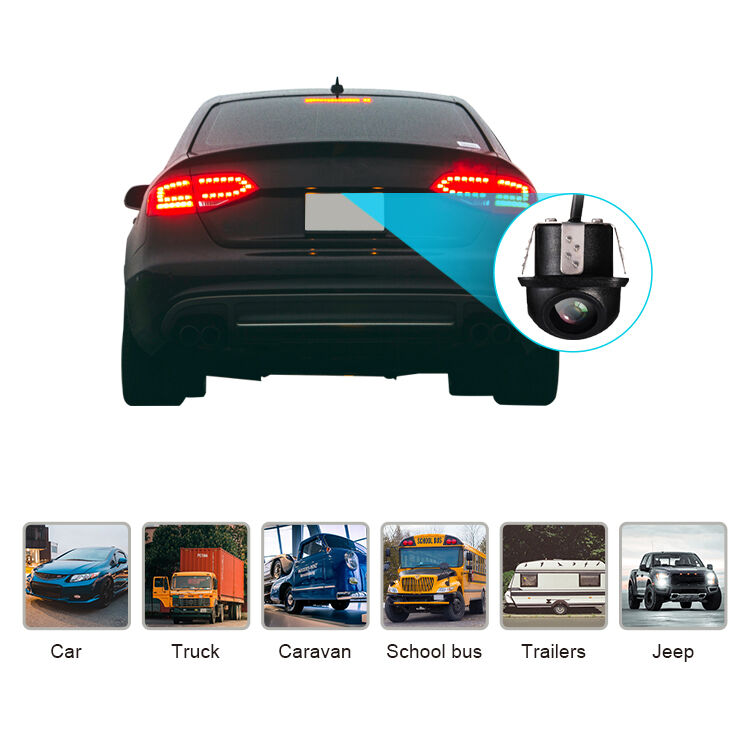
Measuring Reverse Parking Camera ROI: Safety, Efficiency, and Fleet Value
Quantifying Crash Reduction and Reversing Accident Savings
Commercial fleets justify reverse parking camera investments through measurable safety returns. Studies show these systems reduce reversing collisions by 60–80%, directly lowering repair costs and vehicle downtime. For example, fleets using integrated camera-sensor systems achieved 2000% ROI within 13 months by cutting accident-related expenses by $6.5 million annually. Key metrics include:
| Outcome Metric | Improvement | Impact |
|---|---|---|
| Reversing Collisions | 78% Reduction | $740k saved (Ponemon 2023) |
| Insurance Claim Costs | 45% Decrease | Faster settlements |
| Vehicle Off-Road (VOR) Time | 31% Shorter | Higher fleet utilization |
These cameras prevent low-speed incidents during docking and urban maneuvers—scenarios representing 40% of fleet damage claims.
Intangible Gains: Driver Confidence, Insurance Premiums, and Brand Reputation
Reverse parking cameras do more than just provide numbers on paper they actually boost how well operations run day to day. Most drivers who have used them say they feel about two thirds more confident when maneuvering into those really tight spots, which cuts down on frustration levels and keeps staff happier overall. Insurance companies get this too, which is why many offer between 15 and 25 percent off premiums for companies that install these systems across their vehicle fleet. Companies that visibly invest in safety tend to build better reputations in the industry. Nearly nine out of ten logistics managers look favorably upon potential partners who show they care about worker safety through technology like this, and it makes a real difference when it comes time to renew contracts or secure new business opportunities.
Key Reverse Parking Camera System Components That Drive Performance
Camera-Sensor-Monitor Integration for Precision Reversing Assistance
For a reverse parking camera to work well, it needs good coordination among three main parts. The camera shows what's happening behind the car in real time, and those little ultrasonic sensors figure out how close we are to things around us, usually down to about half a meter away. All this information gets sent to the dashboard screen via special processors that don't lag much, turning raw data into something useful for judging space. When everything works together properly, it stops people from bumping into things because the screen shows colored lines indicating distances and where the car is going. Most modern systems will flash warnings right when someone gets too close to parked cars or even people walking nearby. Getting all these components to talk to each other just right cuts down on annoying false warnings that make drivers lose faith in the system. Tests show these systems catch real dangers about 99 times out of 100, which is pretty impressive considering how complicated parking can get sometimes.
Low-Light Clarity, Wide Field-of-View, and Real-Time Latency Control
Reversing systems that work well tackle tough situations thanks to smart engineering solutions. The wide angle lenses cover around 170 degrees or more, which means drivers can see what's happening on either side while making those tricky turns. Better CMOS sensors paired with f/1.8 apertures really shine in low light situations, grabbing four times as much light compared to regular models so operators don't get blindsided at night. What matters most is how fast these systems react. Processing happens under 0.1 seconds flat, something that makes all the difference since even going slowly at 5 mph means covering nearly two and a half feet every second. This quick thinking lets the system show moving objects clearly without any ghosting effects. Plus, special water repelling coatings on the lenses keep things visible through rainstorms or snowfall without needing constant wiping down.
Advanced Features That Elevate Commercial Reverse Parking Camera Usability
360-Degree Bird’s-Eye View for Tight Urban and Depot Maneuvering
Modern reverse parking camera systems incorporate 360-degree technology to create a composite overhead perspective, transforming navigation in challenging environments. This panoramic visualization allows operators to simultaneously monitor all vehicle surroundings with under-1-inch precision, proving indispensable for:
- Negotiating constricted urban alleys where buildings create high-risk blind zones
- Executing precision dock alignments in crowded depots with constant pedestrian traffic
- Safely reversing around concealed obstacles like low-lying equipment or structural columns
Fleet operators have noticed around two thirds fewer fender benders at depots since they started using those surround view camera systems. What these setups do is basically combine video from four big angle lenses (usually giving about 190 degrees field of view each) to create a live birds eye view map right on the dashboard screen. This helps fill in all those blind spots regular mirrors miss out on, plus it accounts for how trailers tend to swing around corners. Really matters when trying to steer those massive 53 foot trailers through tight spots where there's less than an inch between cargo and obstacles. The system keeps recalibrating itself constantly so drivers can trust what they see even when trucks are bouncing over rough roads. Works surprisingly well in bad weather too thanks to special rain resistant coatings on the lenses that keep visibility clear during stormy nights.
By providing an omni-directional safety buffer, these systems reduce spotting time by 40% while preventing costly fender damage during high-frequency low-speed maneuvers—a key ROI consideration for fleets operating in metropolitan distribution hubs.
Professional Installation and Calibration: Protecting Long-Term Reverse Parking Camera ROI
When certified technicians handle the installation, reverse parking cameras work at their best because they get placed properly, wired securely, and integrated into the vehicle systems without issues that cause blind spots or signal problems. Studies show that when these cameras aren't installed right, their performance drops around 40 percent, which means drivers face bigger crash risks and spend more on repairs down the road. Getting professional calibration done makes a big difference too for how well the images line up and how accurately the system detects movement, especially important when dealing with changing cargo weights or extreme weather conditions that mess with sensor reactions. Proper setup cuts down on those annoying false warnings by about a third and keeps everything compliant with the latest car safety standards. Spending money on good installation protects what businesses invest in their vehicles by reducing accidents over time, cutting down on warranty repairs, and making sure the hardware lasts longer. All this adds up to fewer breakdowns and real money saved in day to day operations.
FAQ
Why is it important to quantify the ROI of reverse parking cameras?
Quantifying ROI is crucial for fleet operators as it provides a measurable way to justify the investment based on crash reduction rates, repair cost savings, insurance premium reductions, and enhanced driver confidence.
How can reverse parking cameras impact insurance premiums?
Insurance companies often offer discounts ranging from 15% to 25% for fleets with installed reverse parking cameras, recognizing the reduction in accident risks.
What are essential components of a reverse parking camera system?
Key components include the camera itself, ultrasonic sensors, and a dashboard monitor. Together, they provide precise reversing guidance and prevent collisions.
Can reverse parking cameras function well in low-light conditions?
Yes, advanced systems use wide angle lenses and better CMOS sensors to capture adequate light, making them effective even in low visibility situations like at night.
How important is the professional installation of reverse parking cameras?
Professional installation ensures the correct setup, reducing risks of blind spots, signal issues, and improving overall accuracy, which is vital for maintaining long-term investment value.
Table of Contents
- Measuring Reverse Parking Camera ROI: Safety, Efficiency, and Fleet Value
- Key Reverse Parking Camera System Components That Drive Performance
- Advanced Features That Elevate Commercial Reverse Parking Camera Usability
- Professional Installation and Calibration: Protecting Long-Term Reverse Parking Camera ROI
-
FAQ
- Why is it important to quantify the ROI of reverse parking cameras?
- How can reverse parking cameras impact insurance premiums?
- What are essential components of a reverse parking camera system?
- Can reverse parking cameras function well in low-light conditions?
- How important is the professional installation of reverse parking cameras?