
 EN
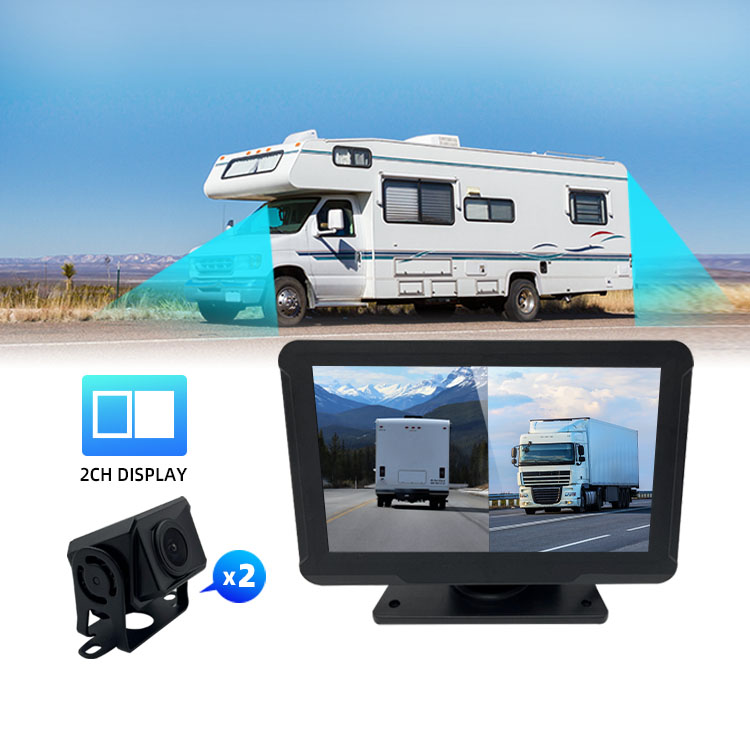
The modern trucking industry is undergoing a rapid transformation driven by technology adoption and evolving safety regulations. A truck monitor has become an essential investment for fleet operators seeking to reduce accidents, improve driver accountability, and optimize operational efficiency. In 2026, understanding the real value of truck monitoring technology is no longer optional but rather a critical business imperative for companies that want to remain competitive and compliant.

Fleet operators face unprecedented pressure to demonstrate safety performance, manage driver behavior, and protect assets in an environment where accidents are costly and liability exposure is significant. A truck monitor provides real-time visibility into vehicle operations, driver conduct, and road conditions, enabling proactive decision-making rather than reactive incident management. This article explores the multifaceted value proposition of truck monitoring systems and explains why this technology has become indispensable for modern freight operations.
Safety Enhancement and Risk Reduction
Real-Time Accident Prevention
The primary value of a truck monitor lies in its ability to prevent accidents before they occur. Advanced truck monitoring systems use multi-channel cameras, sensors, and artificial intelligence to detect dangerous driving behaviors such as lane drift, tailgating, excessive speed, and distracted driving. When a truck monitor identifies risky behavior, it can trigger immediate alerts to the driver, allowing for course correction in real time. This proactive intervention has proven to reduce collision rates by significant margins, directly translating into fewer insurance claims, lower premiums, and reduced vehicle downtime.
Beyond accident prevention, a truck monitor creates a comprehensive video record of every journey. In the event of an incident, fleet managers have irrefutable evidence that protects the company against fraudulent claims and liability disputes. This documentary capability fundamentally changes how disputes are resolved, shifting power from subjective eyewitness accounts to objective video evidence. The presence of a truck monitor in your fleet signals to insurance providers that your operation takes safety seriously, often resulting in premium reductions that offset the technology investment within the first year.
Driver Behavior Modification
Drivers who know their performance is being monitored by a truck monitor demonstrate measurably safer driving habits. This phenomenon, known as the Hawthorne effect, has been extensively documented in fleet operations research. When drivers understand that a truck monitor is recording their actions and that this data influences performance evaluations and compensation, they naturally adopt safer driving techniques. Speeding decreases, following distances improve, and aggressive maneuvers become less frequent. The psychological impact of being monitored creates an ongoing safety culture that complements technical interventions.
Training and coaching become more effective when supported by truck monitor data. Rather than relying on driver self-reporting or supervisor observations, fleet managers can review actual footage and identify specific coaching opportunities. A driver who struggles with harsh braking can watch their own footage and understand the consequences of their behavior. This personalized, data-driven approach to driver development produces better long-term behavioral change than generic safety lectures.
Operational Efficiency and Cost Optimization
Fuel Economy and Route Optimization
Modern truck monitor systems track not only safety metrics but also operational efficiency indicators that directly impact profitability. Aggressive acceleration, excessive idling, inefficient braking patterns, and suboptimal routing all contribute to unnecessary fuel consumption. By analyzing truck monitor data, fleet managers identify drivers and routes that consume disproportionate fuel and implement targeted interventions. Some carriers report fuel efficiency improvements of 5 to 15 percent after implementing comprehensive truck monitor analysis, representing significant annual savings across large fleets.
A truck monitor also enables better route planning by tracking actual traffic patterns, road conditions, and driver performance across different routes. This data-driven approach to logistics optimization reduces both fuel consumption and delivery times. Dispatchers can make more informed decisions about which routes to assign to which drivers, considering factors like driver skill level, vehicle condition, and time pressure. The result is a more resilient, cost-effective operation that responds dynamically to real-world conditions rather than relying on static route assumptions.
Asset Protection and Theft Prevention
Cargo theft and unauthorized vehicle use represent significant losses in the trucking industry. A truck monitor equipped with GPS tracking and multi-angle cameras provides comprehensive asset protection that deters theft and enables rapid recovery if cargo is stolen. The visible presence of a truck monitor on a vehicle signals to potential thieves that the asset is protected and monitored, making it a less attractive target. In cases where theft does occur, the combination of GPS data and video footage dramatically increases the likelihood of recovery and prosecution.
Driver accountability is also enhanced through truck monitor technology. Unauthorized stops, deviations from assigned routes, and after-hours vehicle use become immediately apparent. This capability is particularly valuable for operations where driver theft or cargo diversion represents a historical problem. A truck monitor transforms each vehicle into a supervised asset, creating accountability that protects company property and reduces shrinkage.
Regulatory Compliance and Liability Management
Regulatory Alignment and Documentation
Transportation regulations continue to evolve, with increasing emphasis on safety performance metrics and driver qualification standards. A truck monitor helps fleets demonstrate compliance with hours-of-service regulations, vehicle maintenance requirements, and safe driving standards. When regulatory agencies conduct audits or investigations, the documentary evidence provided by a truck monitor substantially strengthens the company's position. Regulators increasingly view comprehensive monitoring systems as evidence of a company's commitment to compliance and safety culture.
Electronic logging devices and truck monitor systems work together to create an integrated compliance infrastructure. While electronic logging devices track driving hours and rest periods, a truck monitor provides the safety context for those hours, showing whether drivers remained alert and engaged during long shifts. This combination creates a compliance posture that exceeds minimum regulatory requirements and demonstrates sophisticated fleet management to both regulators and insurance carriers.
Liability Defense and Insurance Benefits
The liability landscape for commercial trucking has become increasingly hostile, with large jury awards in accident cases becoming more common. A truck monitor provides the strongest possible defense against liability claims by offering objective evidence of driver performance and actions immediately preceding any incident. Insurance carriers recognize this value and increasingly reward fleets with truck monitor systems through premium discounts, higher coverage limits, and favorable policy terms.
Furthermore, a truck monitor can reveal that the accident was not caused by driver error or vehicle condition but rather by external factors such as road hazards or other vehicles. This exculpatory evidence can be literally worth millions of dollars in a contested liability case. The documentation capability of a truck monitor transforms potential financial catastrophes into manageable incidents supported by clear evidence of either fault or innocence.
FAQ
What specific features should I look for in a truck monitor system?
When selecting a truck monitor system, prioritize multi-channel camera capability to capture front, rear, and side views of the vehicle. Look for high-resolution video recording, night vision capability, and weather resistance for reliable performance across all conditions. AI-powered features such as driver behavior detection, lane departure warnings, and collision detection add significant safety value. Integration with GPS tracking and telematics platforms ensures your truck monitor data connects seamlessly with existing fleet management systems. Cloud-based storage and mobile accessibility allow managers to review truck monitor footage remotely and respond quickly to incidents.
How quickly can a fleet expect to recover the investment in truck monitor technology?
The return on investment for a truck monitor system varies based on fleet size, accident history, and insurance rate structure, but many operators report payback within 12 to 18 months. Insurance premium reductions, accident prevention savings, and fuel efficiency gains combine to offset the truck monitor equipment and installation costs relatively quickly. Larger fleets with historically higher accident rates typically see even faster returns. Beyond the initial payback period, the truck monitor continues to generate value through ongoing insurance savings, reduced liability exposure, and improved operational efficiency.
Can a truck monitor system integrate with existing fleet management software?
Modern truck monitor systems are designed with integration as a core capability, connecting with popular fleet management platforms through APIs and standardized data formats. A truck monitor can feed safety metrics, location data, and vehicle health information directly into existing management dashboards, eliminating manual data entry and ensuring consistent reporting. This integration allows fleet managers to monitor truck performance alongside other operational metrics without switching between multiple systems. Before purchasing a truck monitor system, verify specific compatibility with your current software ecosystem and confirm that the vendor offers active technical support for integration.