
 EN
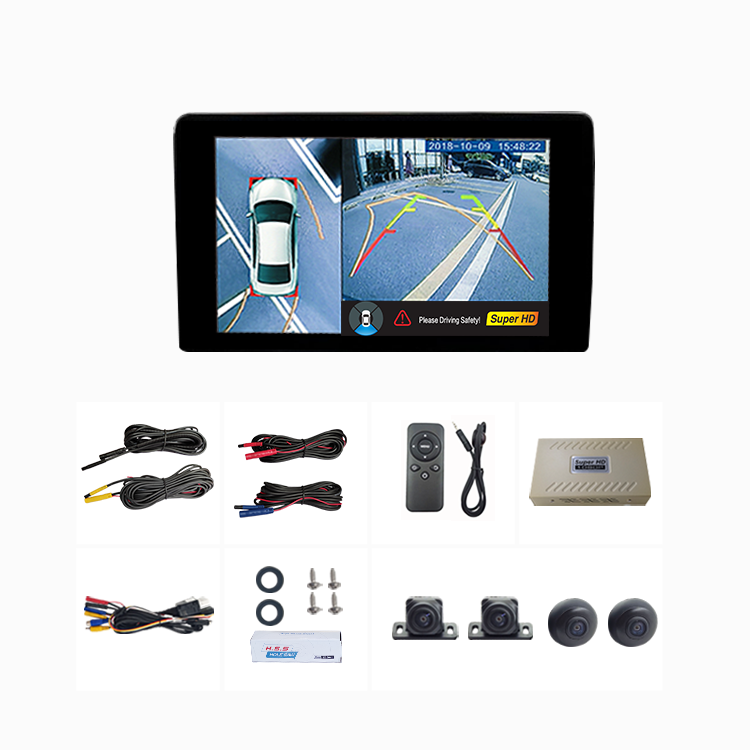
Modern drivers face increasing challenges in navigating complex road environments, parking in tight spaces, and avoiding blind spots. A 360 car camera system addresses these safety concerns by providing complete panoramic visibility around the entire vehicle. This technology has become essential for fleet operators, professional drivers, and vehicle owners seeking to reduce accidents, improve parking precision, and enhance overall driving awareness. The 360 car camera system transforms how drivers perceive their surroundings by eliminating dangerous blind spots and offering real-time visual feedback from multiple angles simultaneously.
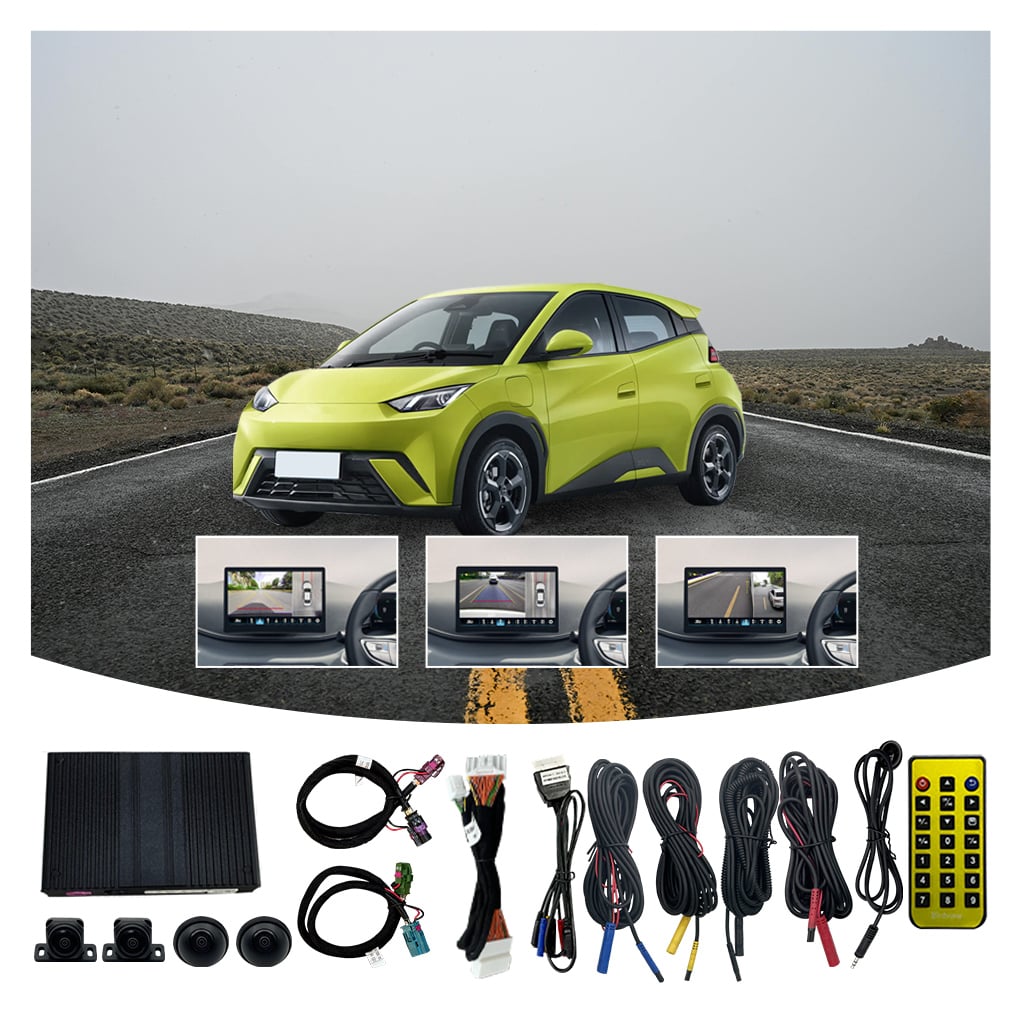
The demand for advanced 360 car camera system solutions continues to grow across the automotive industry as safety regulations tighten and insurance premiums reward accident prevention. Vehicles equipped with a 360 car camera system provide measurable benefits including reduced collision incidents, improved maneuverability in confined spaces, and enhanced confidence for drivers navigating unfamiliar locations. Understanding how a 360 car camera system works, its key components, and its practical applications enables fleet managers and vehicle owners to make informed decisions about this critical safety investment.
How 360 Car Camera Systems Operate
Core Technology and Camera Placement
A 360 car camera system integrates multiple high-definition cameras positioned strategically around the vehicle's exterior. Typically, the 360 car camera system includes front, rear, left, and right cameras that capture footage simultaneously from all directions. These cameras transmit real-time video feeds to a central processing unit that stitches the images together into a seamless bird's-eye-view display. The 360 car camera system uses advanced image processing algorithms to correct lens distortion and align footage from different angles, creating a unified perspective that drivers see on their dashboard display or infotainment screen.
Image Processing and Display Integration
The 360 car camera system's effectiveness depends on sophisticated software that processes multiple video streams in real-time without delay. A typical 360 car camera system converts separate camera feeds into a top-down view, enabling drivers to see parking lane markers, approaching obstacles, and pedestrians with unprecedented clarity. This 360 car camera system technology also includes dynamic overlays that highlight potential collision points or hazards, adapting to vehicle speed and driving conditions. Integration with the vehicle's existing display system ensures the 360 car camera system provides seamless user experience without requiring additional driver training or complicated menu navigation.
Key Benefits of 360 Car Camera Systems
Enhanced Safety and Accident Prevention
The primary advantage of a 360 car camera system is the dramatic reduction in accidents caused by blind spot incidents or misjudged distances. A 360 car camera system eliminates the uncertainty drivers face when parking, reversing, or navigating tight spaces by providing complete visual information. Fleet operators using a 360 car camera system report measurable decreases in collision claims and vehicle damage costs. Insurance companies increasingly offer premium discounts for vehicles equipped with a 360 car camera system, recognizing the substantial safety improvements this technology delivers.
Improved Driver Confidence and Operational Efficiency
Drivers benefit from increased confidence when operating vehicles equipped with a 360 car camera system, particularly in challenging environments like urban centers, parking garages, or confined loading areas. The 360 car camera system enables faster, more accurate maneuvering by providing clear visual feedback that replaces guesswork and mirrors. Professional drivers and delivery operators appreciate how a 360 car camera system accelerates job completion and reduces time spent positioning vehicles. A 360 car camera system also serves as a powerful training tool for new drivers, helping them develop better spatial awareness and safer driving habits.
Installation and Integration Considerations
System Compatibility and Vehicle Requirements
Before installing a 360 car camera system, vehicle owners and fleet managers must verify compatibility with their specific make and model. A 360 car camera system typically requires integration with the vehicle's power supply, display system, and potentially the diagnostic network. The 360 car camera system installation complexity varies depending on whether the vehicle originally included camera provisions or requires aftermarket integration. Professional installers should assess whether the 360 car camera system requires firmware updates or display unit modifications to function optimally.
Maintenance and Operational Excellence
Maintaining a 360 car camera system involves regular cleaning of camera lenses to ensure clear image capture and reliable operation. Dust, mud, and debris can accumulate on camera housing, degrading the 360 car camera system's performance if not addressed promptly. Regular inspections of camera connections, wiring harnesses, and display unit functionality ensure the 360 car camera system continues delivering consistent safety benefits. Environmental factors like extreme temperatures or moisture exposure require appropriate weatherproofing to protect the 360 car camera system components from degradation.
FAQ
What is the typical cost range for installing a 360 car camera system?
The cost of a 360 car camera system installation varies between $800 and $2,500 depending on vehicle type, camera quality, and installation complexity. Premium 360 car camera system options with higher resolution or advanced features command higher prices, while basic 360 car camera system packages serve budget-conscious buyers. Professional installation typically comprises the majority of total 360 car camera system expense, particularly for vehicles requiring extensive integration work. Aftermarket 360 car camera system solutions offer flexibility for existing vehicle owners seeking upgrades without purchasing new vehicles.
Does a 360 car camera system work effectively in low-light or nighttime conditions?
Most modern 360 car camera system models include infrared or night-vision technology that captures clear images in darkness or low-visibility situations. A quality 360 car camera system maintains performance during dawn, dusk, and nighttime driving, though image clarity may differ from daytime operation. Advanced 360 car camera system versions feature thermal imaging or enhanced sensor sensitivity for superior nighttime visibility. Drivers should verify the specific 360 car camera system model's low-light performance specifications before purchase to ensure it meets their operational requirements.
Can a 360 car camera system be integrated with existing driver assistance features?
Yes, a modern 360 car camera system integrates seamlessly with adaptive cruise control, collision warning systems, and other advanced driver assistance technologies. The 360 car camera system shares visual data with other vehicle systems, enabling coordinated safety responses and enhanced situational awareness. Professional 360 car camera system installation should include integration testing to verify compatibility with existing vehicle electronics and software. A properly integrated 360 car camera system enhances the effectiveness of complementary safety systems rather than operating in isolation.