
 EN
EN
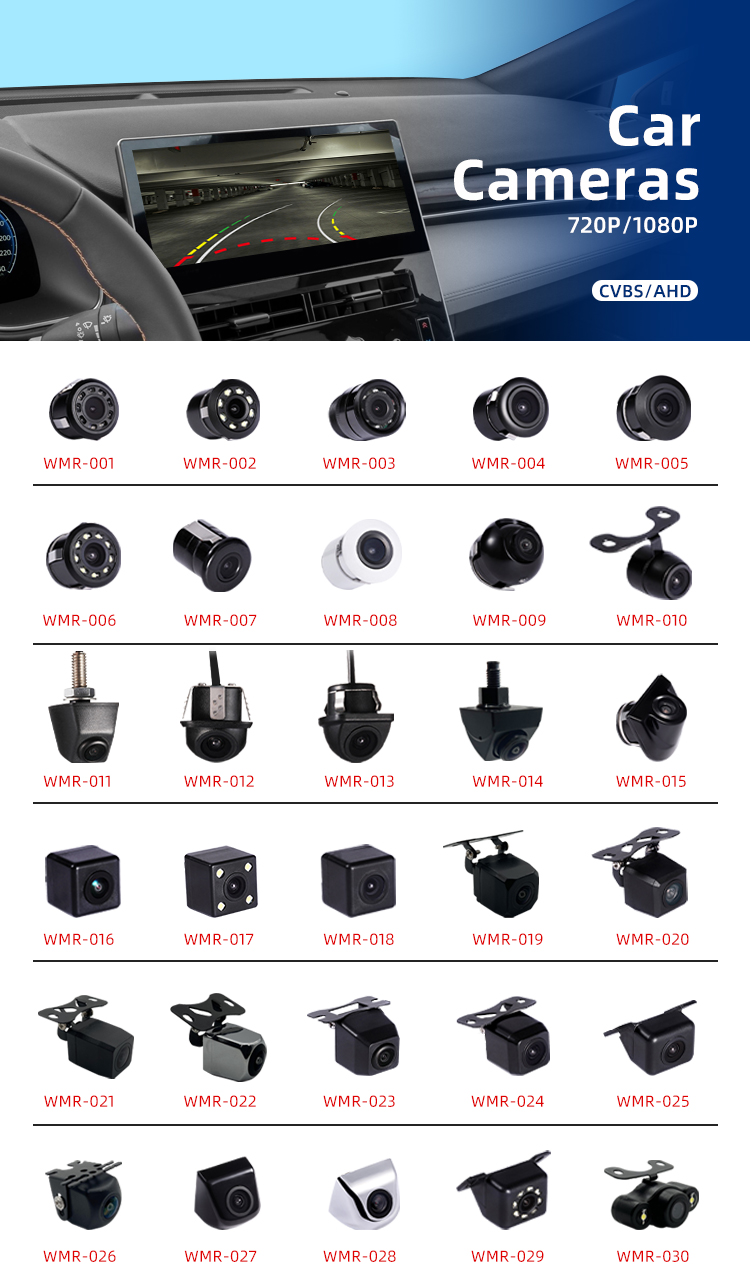
Selecting the right vehicle camera system has become one of the most critical purchasing decisions for fleet operators, logistics managers, and commercial vehicle owners heading into 2026. As road safety regulations tighten and AI-driven monitoring technology matures, the expectations placed on a vehicle camera system have risen sharply. Buyers no longer evaluate a vehicle camera system based on image resolution alone. Today, a capable vehicle camera system must deliver intelligent detection, reliable night vision, seamless integration, and real-time data access across an entire fleet.
This guide is designed to help procurement professionals and fleet safety officers understand what separates a high-performing vehicle camera system from a basic dashboard recorder. Whether you are upgrading an existing fleet or equipping new vehicles for the first time, the criteria outlined here will help you identify the vehicle camera system that fits your operational needs, compliance requirements, and long-term safety goals for 2026 and beyond.
Core Technology Features of a Modern Vehicle Camera System
AI-Powered Detection and Object Recognition
The most important advancement in any current vehicle camera system is artificial intelligence integration. A vehicle camera system equipped with AI can identify pedestrians, cyclists, other vehicles, and road hazards in real time. This capability transforms a vehicle camera system from a passive recorder into an active safety tool. When a vehicle camera system detects a risk, it triggers immediate driver alerts, which significantly reduces the chance of collision. For fleet operators managing high-traffic urban routes, an AI-enabled vehicle camera system is no longer a luxury but an operational requirement.
360-Degree Coverage and Blind Spot Elimination
A vehicle camera system with 360-degree coverage eliminates the dangerous blind spots that standard mirrors cannot address. This type of vehicle camera system uses multiple cameras positioned around the vehicle to create a seamless bird's-eye view. Delivery trucks, buses, and heavy commercial vehicles benefit the most from a surround-view vehicle camera system because their larger dimensions create larger blind zones. A well-designed vehicle camera system stitches these feeds together with minimal latency, providing the driver with a complete spatial picture at all times. Evaluating the stitching quality and camera overlap ratio is essential when comparing any vehicle camera system at this level.
Reliability and Environmental Performance Standards
Durability Ratings and Operating Conditions
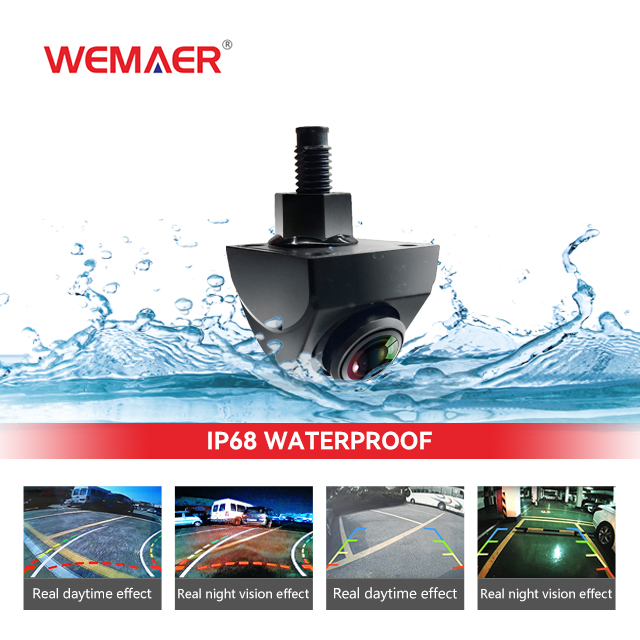
A vehicle camera system installed on commercial vehicles must endure extreme temperature swings, vibration, moisture, and road debris. When evaluating a vehicle camera system, always check its IP rating, which indicates resistance to dust and water ingress. A vehicle camera system rated at IP67 or higher is suitable for most outdoor commercial applications. Vibration resistance is equally important, as a vehicle camera system mounted on a truck or bus faces constant mechanical stress. Any vehicle camera system that lacks proper housing and shock absorption will degrade quickly, leading to unreliable footage and costly replacements.
Night Vision and Low-Light Performance
Many critical incidents occur during low-light or nighttime conditions, making night vision capability a defining factor in any vehicle camera system evaluation. A vehicle camera system with infrared LED support or a large-aperture lens can maintain clear image capture when ambient lighting is minimal. The sensor size within a vehicle camera system directly affects its low-light sensitivity. Fleet managers should request sample footage from a vehicle camera system under real low-light conditions before committing to a purchase. A vehicle camera system that performs poorly after dark offers only partial protection, no matter how strong its daytime capabilities are.
Integration, Management, and Scalability
Fleet Management Platform Compatibility
A vehicle camera system that cannot integrate with your existing fleet management software creates operational silos rather than streamlined oversight. The most effective vehicle camera system options in 2026 are designed to transmit data directly into centralized dashboards. This allows operators to monitor footage, receive incident alerts, and review driving behavior data from a single platform. When selecting a vehicle camera system, confirm that it supports standard communication protocols and that its data output format is compatible with your fleet software. A vehicle camera system that forces you to adopt a completely separate management interface adds unnecessary complexity to your workflow.
Scalability Across Fleet Size and Vehicle Types
A vehicle camera system chosen for a five-vehicle fleet today must be scalable for a fifty-vehicle fleet tomorrow. Procurement teams should evaluate whether a vehicle camera system supports modular expansion, meaning additional cameras or sensors can be added without replacing the core unit. Different vehicle types may require different configurations, so a flexible vehicle camera system architecture matters. Confirm that the vehicle camera system supplier provides consistent hardware specifications across vehicle categories, from light commercial vans to heavy-duty trucks. Standardizing on a single vehicle camera system model or product family reduces training burden and simplifies spare parts management across a diverse fleet.
FAQ
What should I prioritize when selecting a vehicle camera system for a commercial fleet in 2026?
Prioritize AI-based detection capability, durability ratings such as IP67 or above, compatibility with your existing fleet management platform, and 360-degree coverage. A vehicle camera system that combines these features offers the strongest return on safety investment. Also consider whether the vehicle camera system supports remote access so that incident footage can be reviewed without recovering physical storage media.
How does a 360-degree vehicle camera system differ from a standard dashcam setup?
A standard dashcam typically covers only the forward field of view, while a 360-degree vehicle camera system provides full surround coverage using multiple synchronized cameras. This means a 360-degree vehicle camera system can detect hazards on all sides of the vehicle simultaneously, which is critical for large commercial vehicles. The stitched panoramic view generated by a vehicle camera system of this type gives drivers situational awareness that a single-camera setup simply cannot provide.
Can a vehicle camera system help with regulatory compliance?
Yes, a vehicle camera system with incident recording, driver behavior monitoring, and tamper-proof storage can support compliance with transport safety regulations in many jurisdictions. Footage from a vehicle camera system can serve as evidence in dispute resolution and insurance claims. As regulatory requirements around fleet safety continue to evolve in 2026, having a certified and compliant vehicle camera system on record can protect operators from legal and financial liability.