
 EN
EN
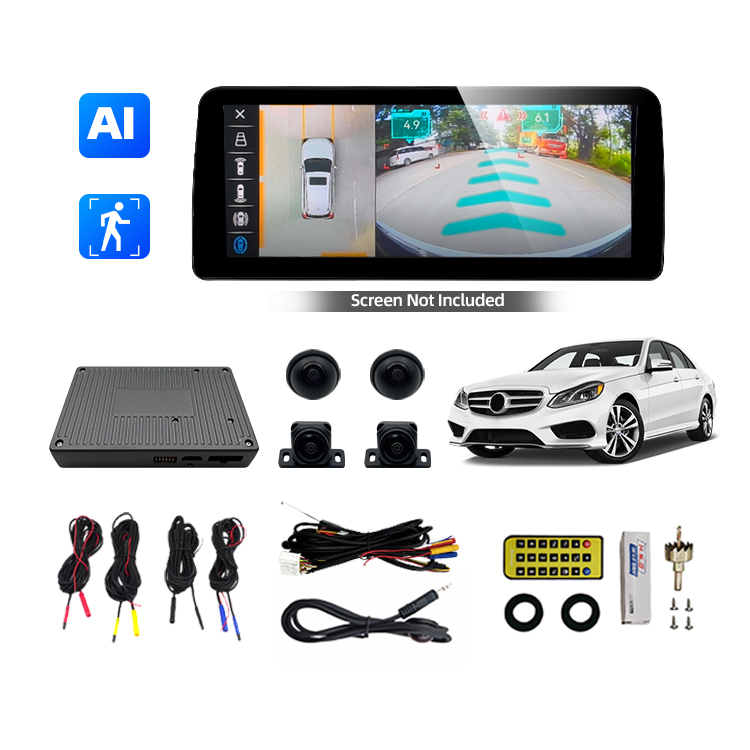
Choosing the right 360 surround view system for a fleet is one of the most impactful decisions a fleet manager can make. As commercial vehicles grow larger and urban routes become more congested, blind spots create serious liability and safety risks. A 360 surround view system addresses these risks by stitching footage from multiple cameras into a single bird-eye perspective, giving drivers complete awareness of their surroundings in real time.
When comparing a 360 surround view system across fleet applications, there is no universal answer. Buses, trucks, delivery vans, and construction vehicles each have unique needs in terms of camera placement, recording resolution, DVR integration, and monitor display. Understanding the critical differences between available 360 surround view system configurations helps fleet operators invest wisely and avoid costly mismatches between hardware capability and operational demand.
Core Components That Define a 360 Surround View System
Camera Configuration and Coverage
Every 360 surround view system relies on a multi-camera array, typically four cameras positioned at the front, rear, and both sides of the vehicle. The quality of each camera directly impacts the final stitched image. For fleet vehicles operating in low-light conditions, such as night deliveries or underground loading docks, cameras with wide dynamic range and infrared capability are essential. A 360 surround view system with poorly matched lenses across cameras will produce seam artifacts and distorted birdview output, reducing driver confidence and increasing error rates.
Lens angle is another variable that separates a basic 360 surround view system from a fleet-grade one. Ultra-wide fisheye lenses of 180 to 200 degrees are standard, but the calibration quality between cameras determines how seamlessly the system stitches the overall image. Fleets comparing options should prioritize manufacturers that provide factory-calibrated units rather than those requiring manual field alignment after installation.
DVR Integration and Channel Recording
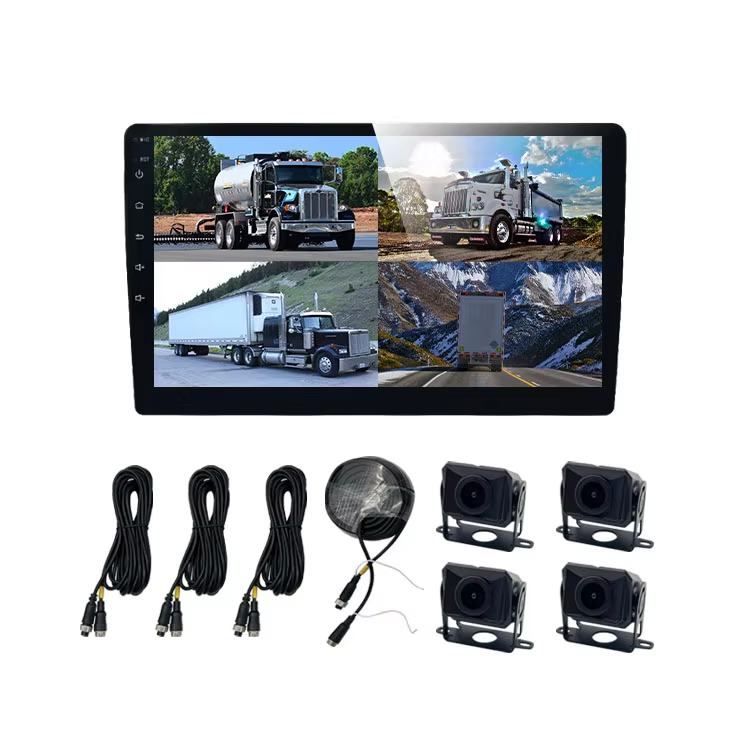
A 360 surround view system for fleet use must integrate with a DVR or NVR to support incident recording, compliance documentation, and driver coaching. A four-channel DVR is the baseline requirement for most commercial vehicles, matching the four-camera layout of a standard 360 surround view system. Higher-specification fleet deployments may require six or eight-channel DVRs to accommodate additional specialty cameras such as cargo bay monitors or cab-facing driver monitoring systems.
Storage capacity and retrieval speed matter significantly for fleet managers comparing a 360 surround view system across vehicles. SD card-based DVRs offer simplicity and low maintenance, while HDD-based units provide higher storage volumes for long-haul routes. Fleet operators running high-incident routes should ensure the 360 surround view system they select supports loop recording and G-sensor event locking to preserve critical footage automatically.
Key Comparison Factors for Fleet Deployment
Vehicle Type and Physical Mounting Requirements
The physical installation of a 360 surround view system varies significantly between vehicle types. A rigid truck requires different mounting brackets and cable routing compared to an articulated bus or a compact delivery van. When comparing a 360 surround view system for fleet use, operators must verify that the camera housings are rated for the vehicle environment, including vibration tolerance, waterproofing standards such as IP67 or IP69K ratings, and temperature range compliance for the geographic region in which the vehicles operate.
Cable management is often underestimated when deploying a 360 surround view system across a large fleet. Poorly routed cables cause signal interference, premature connector wear, and increased maintenance costs over time. Fleet procurement teams comparing a 360 surround view system should request documentation on cable length standards, connector type, and installation time per vehicle to accurately budget total deployment costs.
Monitor Display and Driver Interface
The in-cab monitor is the interface through which the 360 surround view system delivers value to the driver. Display size, resolution, and touchscreen responsiveness all influence usability. A 360 surround view system used in large trucks or buses typically requires a monitor of seven inches or larger to clearly render the bird-eye view at a glance without distracting the driver. Monitors with automatic brightness adjustment improve visibility in both direct sunlight and night conditions.
Fleet managers comparing a 360 surround view system across different models should also evaluate the switching logic between the full birdview and individual camera feeds. Some systems default to the rear camera when reversing, while others allow the driver to select any camera manually. This flexibility is particularly valuable for specialized fleet vehicles such as concrete mixers or crane trucks, where specific side visibility is more critical than a standard rear-only view.
Evaluating Long-Term Performance for Fleet ROI
Reliability and Maintenance Overhead
A 360 surround view system that performs well on day one but degrades within twelve months creates hidden costs for fleet operators. Comparing systems purely on purchase price overlooks the total cost of ownership. Key reliability indicators include the mean time between failures for camera units, the durability of cable connectors under daily vibration, and the heat dissipation performance of the DVR unit. A 360 surround view system built for commercial fleet duty should carry an operational lifespan expectation of three to five years minimum under continuous daily use.
Maintenance documentation and remote diagnostics capability are features that add measurable long-term value to a 360 surround view system investment. Systems that support remote status monitoring allow fleet managers to identify camera faults or recording failures before they result in a safety incident or a gap in evidence recording. This proactive maintenance model is especially important for fleets operating across multiple depots or regions.
Scalability Across Fleet Size
A 360 surround view system that works well on ten vehicles must also be manageable across one hundred vehicles. Fleet operators comparing systems at scale should evaluate whether the platform supports centralized firmware updates, standardized installation kits, and consistent spare parts availability. A 360 surround view system with proprietary connectors or limited spare parts supply introduces operational risk as the fleet grows. Prioritizing systems with open-standard components and documented installation protocols reduces long-term dependency on single suppliers.
FAQ
What is the typical installation time for a 360 surround view system on a commercial vehicle?
Installation time for a 360 surround view system typically ranges from two to four hours per vehicle, depending on the vehicle type and cable routing complexity. Trucks and buses with longer cable runs may require additional time to ensure clean installation and proper signal integrity.
Can a 360 surround view system work alongside an existing fleet telematics platform?
Many modern 360 surround view system units are designed with compatibility in mind and can integrate with GPS telematics platforms through standard output signals or data protocols. It is important to verify compatibility specifications with the system supplier before fleet-wide deployment to avoid integration issues.
How does a 360 surround view system improve fleet insurance outcomes?
A 360 surround view system provides clear video evidence during incident investigations, which helps resolve liability disputes faster and more accurately. Many fleet insurers recognize the risk-reduction value of a 360 surround view system and may offer premium adjustments for fleets that deploy verified recording systems across their vehicles.