
 EN
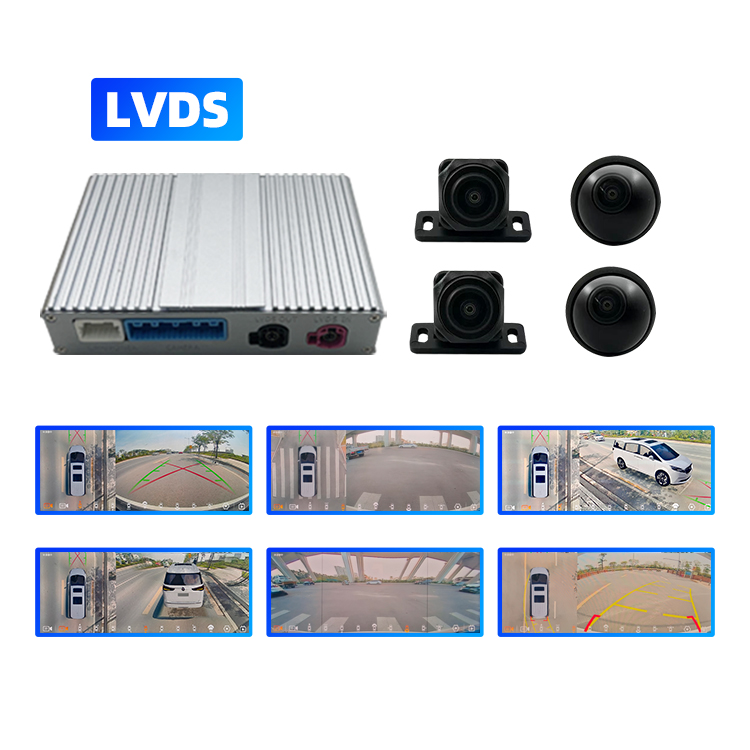
A 360 car camera system represents one of the most significant safety advancements in modern vehicle technology. By providing drivers with a complete surround-view perspective of their vehicle's surroundings, a 360 car camera eliminates blind spots and dramatically improves situational awareness during parking, reversing, and low-speed maneuvering. This comprehensive visibility is particularly valuable in congested urban environments, tight parking spaces, and complex driving scenarios where traditional mirrors and conventional camera systems fall short.
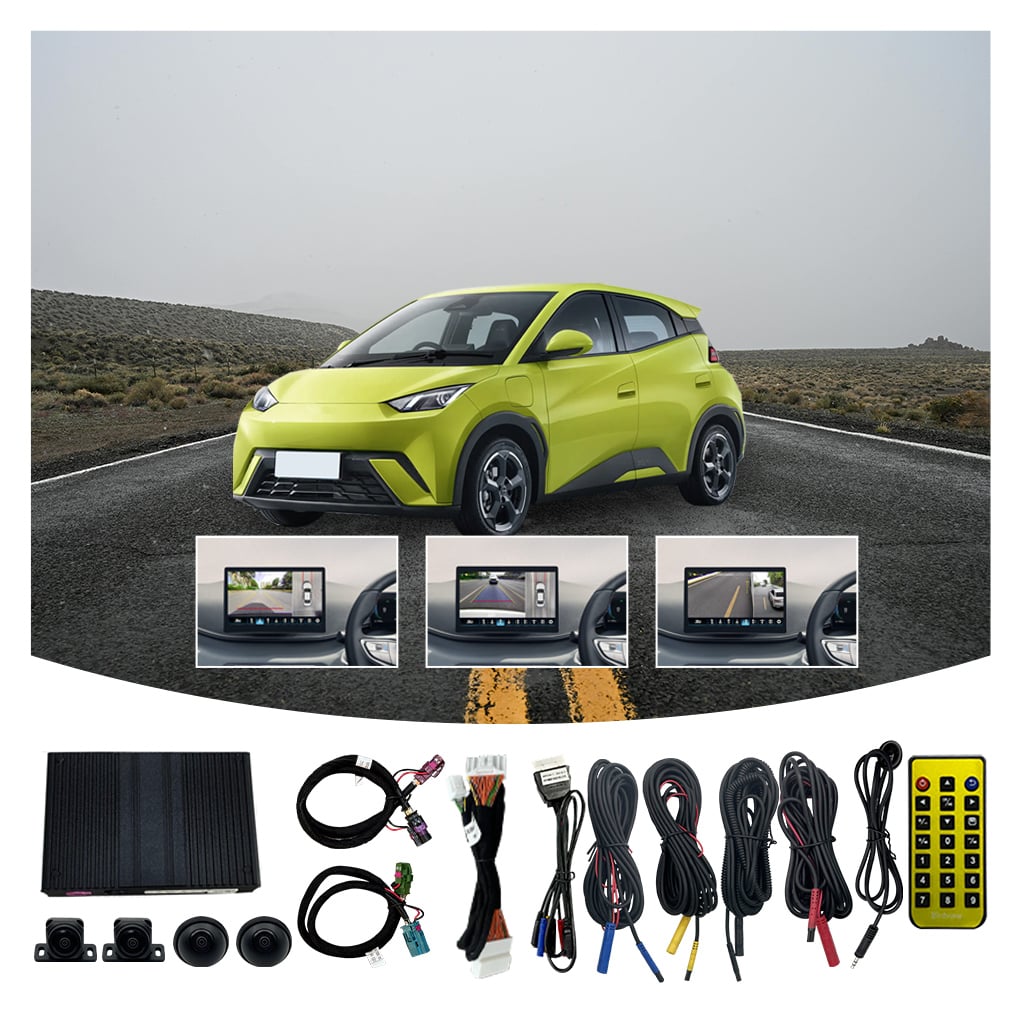
Understanding how a 360 car camera works and integrating it into your vehicle's safety infrastructure is essential for both fleet operators and individual drivers seeking to reduce accidents and liability. The 360 car camera system uses multiple camera modules positioned around the vehicle to capture real-time footage from all angles, then stitches these feeds together to create a bird's-eye view on your dashboard display. This article provides a complete primer on 360 car camera technology, installation considerations, and practical safety benefits that make this investment worthwhile.
How 360 Car Camera Systems Enhance Driving Safety
Eliminating Blind Spots with Surround-View Technology
The primary safety advantage of a 360 car camera lies in its ability to eliminate the dangerous blind spots that exist in every vehicle. Traditional mirrors, even with wide-angle optics, cannot capture the full perimeter around your car. A 360 car camera addresses this limitation by deploying front, rear, left, and right camera modules that work in perfect synchronization. When you activate your turn signal or begin reversing, the 360 car camera automatically displays the appropriate view on your infotainment screen, giving you complete visual coverage of potential hazards, pedestrians, and obstacles.
Parking lots represent one of the most dangerous environments for vehicle accidents, particularly when reversing into tight spaces or navigating crowded aisles. A 360 car camera significantly reduces the risk of collision by providing a clear, top-down perspective that shows exactly where your vehicle sits relative to surrounding objects, curbs, and parked vehicles. This real-time visual feedback allows drivers to make precise steering adjustments and stop with confidence, knowing they have complete situational awareness rather than guessing based on mirror reflections alone.
Reducing Liability and Insurance Claims
Fleet operators and commercial vehicle managers recognize that a 360 car camera system serves as both a safety tool and a liability protection mechanism. When equipped with integrated recording capability, a 360 car camera provides timestamped video evidence of accidents, parking incidents, and driver behavior. This documentation protects businesses from fraudulent damage claims and allows insurance companies to accurately assess fault in accident scenarios. Many insurance providers now offer premium discounts for vehicles equipped with a 360 car camera system, directly acknowledging the risk reduction these systems provide.
For delivery services, ride-sharing companies, and transportation fleets, installing a 360 car camera is increasingly considered a standard operating requirement rather than an optional upgrade. The combination of accident prevention and legal documentation creates a compelling business case that justifies the installation expense through reduced claims frequency and improved operational transparency.
Technical Components and Installation Considerations
Understanding 360 Car Camera Hardware Architecture
A complete 360 car camera system consists of several integrated components working together to deliver seamless surround-view functionality. The system typically includes four high-resolution camera modules (front, rear, left, and right), a dedicated processor or image stitching unit, power management circuitry, and wiring harnesses that integrate with your vehicle's electrical system. Modern 360 car camera installations use either a built-in decoder system or a standalone processor unit depending on your vehicle's original infotainment capabilities. The processor receives simultaneous feeds from all four cameras in the 360 car camera array, performs real-time image alignment and stitching, and displays the corrected view on your dashboard screen within milliseconds of activation.
The camera modules in a quality 360 car camera system feature wide-angle lenses (typically 170–190 degrees) to maximize coverage while maintaining image quality and minimizing distortion. The video feed from each camera in the 360 car camera network undergoes sophisticated image processing to correct for lens distortion and perspective warping, then the processor blends adjacent camera feeds seamlessly to create the bird's-eye visualization. This technical complexity is why professional installation of a 360 car camera system is strongly recommended rather than attempting a DIY approach.
Integration with Original Vehicle Systems
Modern 360 car camera systems are designed to integrate with your vehicle's existing infotainment platform, steering wheel controls, and electrical architecture. A quality 360 car camera installation preserves all factory features while adding the surround-view functionality through either a retention module that bridges the new 360 car camera system with the original screen, or a complete replacement head unit that accommodates the additional processing requirements. The 360 car camera system automatically activates its rear view when you shift into reverse, displays front and side views during low-speed maneuvering, and allows manual view selection through physical buttons or touchscreen controls depending on your vehicle's interface design.
Power requirements for a 360 car camera installation typically run through dedicated fused circuits that prevent the camera system from interfering with critical vehicle electronics. The 360 car camera wiring harnesses route through existing conduits where possible to maintain your vehicle's aesthetic appearance and protect cables from damage. Professional installers ensure that your 360 car camera system operates correctly across all temperature ranges and driving conditions, with weatherproof camera housings and sealed connectors preventing moisture infiltration that could degrade image quality.
Practical Safety Applications and Real-World Benefits
Urban Parking and Congested Environments
City driving presents constant parking challenges where a 360 car camera proves invaluable for reducing stress and improving safety outcomes. Parallel parking in tight urban spaces becomes dramatically easier when you can see exactly how your vehicle's front, rear, and sides align with surrounding vehicles and curbs. The 360 car camera eliminates guesswork and provides objective visual feedback that helps inexperienced drivers build confidence while allowing experienced drivers to park more precisely and quickly. This practical benefit extends to perpendicular parking situations where limited sightlines make it difficult to assess the available space accurately without the complete perspective that a 360 car camera provides.
Beyond parking, the 360 car camera enhances safety during low-speed city navigation where pedestrians, cyclists, and other vehicles present constant hazards. The bird's-eye perspective available from a 360 car camera helps drivers spot vulnerable road users who might otherwise remain hidden in blind spots until it's too late to avoid collision. For drivers with mobility limitations or those operating vehicles with reduced visibility due to vehicle design, a 360 car camera system transforms challenging driving scenarios into manageable situations by restoring visual coverage that might otherwise require uncomfortable body positioning or mirror manipulation.
Commercial and Fleet Operations
Commercial fleet operators deploying a 360 car camera system across their vehicle inventory report significant improvements in operational safety metrics and reduced incident-related downtime. Delivery vehicles, commercial vans, and fleet trucks benefit from the 360 car camera's ability to prevent backing accidents in loading zones, parking areas, and customer sites where third-party property damage liability is a constant concern. Driver training programs that incorporate 360 car camera footage help reinforce safe backing procedures and parking discipline while giving supervisors objective data for performance evaluation.
A 360 car camera system also simplifies vehicle checklist documentation, allowing drivers to quickly verify that no objects, obstacles, or safety hazards exist around their vehicle before movement. This 360 car camera confirmation step has become standard procedure in many high-liability operations like school transportation, hazmat delivery, and passenger shuttle services where the cost of a single major accident far exceeds the investment in comprehensive camera systems.
FAQ
How does a 360 car camera differ from standard backup cameras?
A standard backup camera provides only rear-view coverage when reversing, while a 360 car camera system captures all four directions simultaneously and can display front, rear, side, or bird's-eye perspectives on demand. The 360 car camera processes multiple camera feeds in real time and creates a seamless composite view that standard single-camera systems cannot achieve. This comprehensive coverage is why a 360 car camera system costs more than basic backup cameras but delivers dramatically superior safety benefits.
Can a 360 car camera system be retrofitted to any vehicle?
Most vehicles can be retrofitted with a 360 car camera system, though the complexity and cost vary depending on your vehicle's original infotainment design. Vehicles with compatible screen resolutions and electrical architecture accept a 360 car camera retrofit more easily than older vehicles with simpler dash systems. Professional installers can assess your specific vehicle and recommend whether a 360 car camera installation is practical, cost-effective, and compatible with your existing equipment and preferences.
What maintenance do 360 car camera systems require?
A 360 car camera system requires minimal maintenance beyond occasional lens cleaning to maintain image clarity. The camera lenses should be wiped gently with a microfiber cloth to remove dirt, salt spray, and environmental contaminants that accumulate during normal driving. Most 360 car camera systems operate reliably for the vehicle's entire lifespan without requiring sensor replacement, though the display screen and wiring connections should be inspected annually by a qualified technician to verify all components function correctly.