
 EN
EN
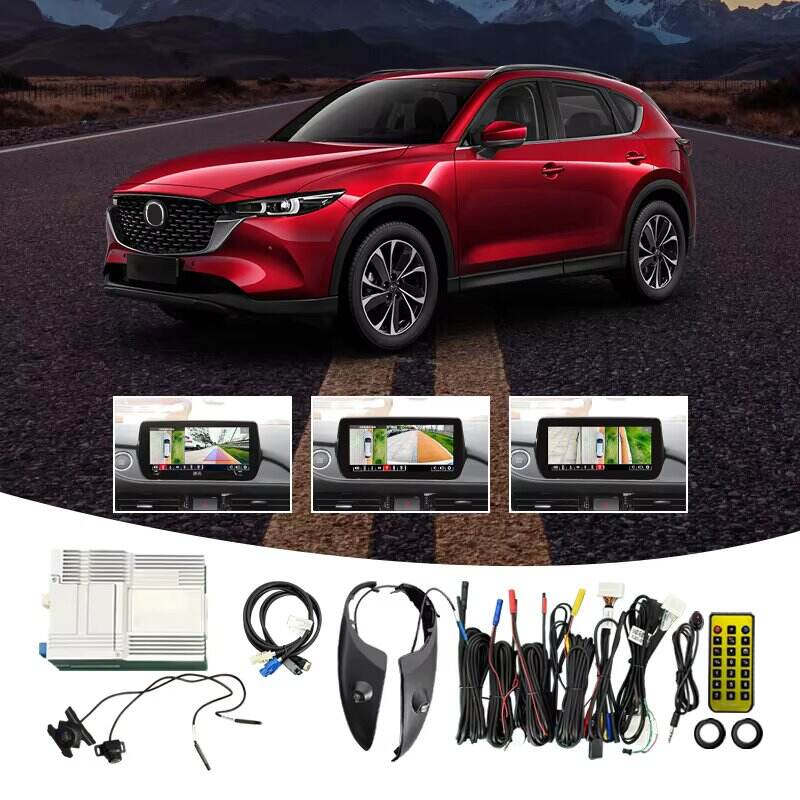
The Strategic Imperative of Overnight Car Security Camera Systems
Rising Overnight Theft, Vandalism, and Unmonitored Liability Exposure
Fleets face disproportionate security risks during overnight hours—when vehicles are stationary, unattended, and most vulnerable. Over 70% of vehicle-related crimes occur in low-light conditions, exposing unprotected assets to three interlinked threats:
- Accelerated theft rates: Unmonitored vehicles attract organized theft rings targeting high-value components or entire units
- Unrecorded vandalism: Damage often goes undocumented, undermining insurance claims and accountability
- Escalated liability exposure: Hit-and-runs, unauthorized use, or third-party incidents create legal blind spots with no evidentiary trail
These gaps translate directly into financial loss: fleets without overnight monitoring incur 42% higher incident-related costs, per recent fleet security analyses. Without verifiable visual evidence, insurers routinely deny or delay claims—prolonging investigations, extending vehicle downtime, and eroding operational continuity.
How Gaps in Traditional Monitoring Increase Insurance Costs and Operational Risk
Traditional security methods—periodic patrols, motion-triggered alarms, or basic dashcams—fail to deliver continuous, tamper-resistant oversight during overnight hours. This coverage gap triggers measurable financial and operational consequences:
| Risk Factor | Financial Impact | Operational Consequence |
|---|---|---|
| Unverified claims | 25–30% premium increases | Disputed liability cases stall resolution |
| Delayed response | $740k average incident cost (Ponemon Institute, 2023) | Extended vehicle immobilization disrupts service schedules |
| Preventable losses | 18% higher loss ratios | Reduced fleet availability impacts revenue capacity |
Insurers increasingly reward fleets with verified, continuous monitoring—offering premium discounts rooted in proven deterrence and claim substantiation. Without this capability, operators absorb not only higher insurance expenses but also avoidable revenue leakage from prolonged investigations and idle assets.
Technical Essentials for Reliable Overnight Car Security Camera Performance
Night Vision Capabilities: IR Range, Lux Sensitivity, and Adaptive Low-Light Processing
Clarity in total darkness is non-negotiable. Three core specifications define true overnight readiness:
- IR range: A minimum 30-foot infrared illumination radius ensures full perimeter coverage around parked vehicles in fleet yards or remote lots
- Lux sensitivity: Ratings at 0.001 lux or lower enable usable detail under starlight—no supplemental lighting required
- Adaptive low-light processing: Back-illuminated sensors (e.g., Sony STARVIS) dynamically optimize gain and exposure to retain sharpness, suppress noise, and preserve critical identifiers like license plates and facial features
Without this triad, footage degrades into grainy, indistinct imagery—rendering the system operationally ineffective when it matters most.
Always-On Connectivity: HD Streaming, Edge Storage, and Cellular Failover Resilience
Reliability hinges on uninterrupted data capture and access—not just recording, but assured transmission and redundancy:
- HD streaming: 1080p at 30 fps enables real-time remote viewing and immediate incident assessment by fleet managers
- Edge storage: Onboard SD card or internal memory buffers footage during network fluctuations, preventing data loss
- Cellular failover: Automatic 4G/5G switchover upon Wi-Fi or Ethernet failure safeguards continuity during power outages, connectivity disruptions, or deliberate tampering
This layered architecture ensures every incident is captured, preserved, and accessible—regardless of location or infrastructure reliability. For geographically dispersed fleets, cellular resilience eliminates coverage blackspots where fixed internet is unavailable or unstable.
Optimizing Deployment for True Overnight Readiness
Strategic Mounting, Power Management, and Environmental Hardening
Effective deployment transforms technical capability into operational assurance:
- Mounting: Position cameras to eliminate blind spots—covering all doors, cargo areas, and approach vectors—using vibration-dampened, adjustable mounts rated for mobile environments
- Power management: Hardwire to the vehicle battery with intelligent low-voltage cutoff (typically 11.8–12.2V) to prevent drain while maintaining 24/7 readiness
- Environmental hardening: Use IP67-rated enclosures that withstand -20°C to 60°C temperatures, rain, dust, and road vibration—ensuring consistent performance across seasons and conditions
When integrated thoughtfully, these elements ensure silent, uninterrupted operation through the night—delivering actionable footage without false alerts or system failures.
Measuring ROI: Reduced Claims, Faster Incident Resolution, and Proactive Fleet Protection
Overnight car security camera systems deliver quantifiable returns—not just as a cost center, but as a strategic risk-mitigation asset. Verified video evidence deters opportunistic crime, validates legitimate claims, and accelerates resolution—cutting investigation time by up to 60% in benchmarked deployments. Insurers recognize this value: fleets with continuous monitoring report 15–25% reductions in operating costs within two years, driven primarily by lower premiums, fewer denied claims, and minimized downtime.
Beyond reactive savings, these systems enable proactive protection—flagging suspicious loitering, repeated perimeter breaches, or abnormal vehicle access patterns before escalation. That dual capacity—reducing current losses while preventing future ones—establishes a compelling, defensible ROI for security-conscious fleet operators.
FAQ
Q: Why is night vision essential for car security cameras?
A: Night vision ensures clarity in low-light conditions, enabling identification of crucial details like license plates and faces, even in total darkness.
Q: How do cellular failovers benefit security monitoring?
A: Cellular failovers maintain seamless connectivity during Wi-Fi or power outages, ensuring uninterrupted recording and access to footage.
Q: What’s the ROI of investing in overnight security camera systems?
A: Fleets typically report 15–25% reductions in operating costs within two years, thanks to lower insurance premiums, faster claim resolutions, and reduced downtime.
Q: How do IP67-rated cameras enhance performance?
A: IP67 enclosures protect cameras against extreme weather, dust, and vibrations, ensuring consistent operation in challenging environments.