
 EN
EN
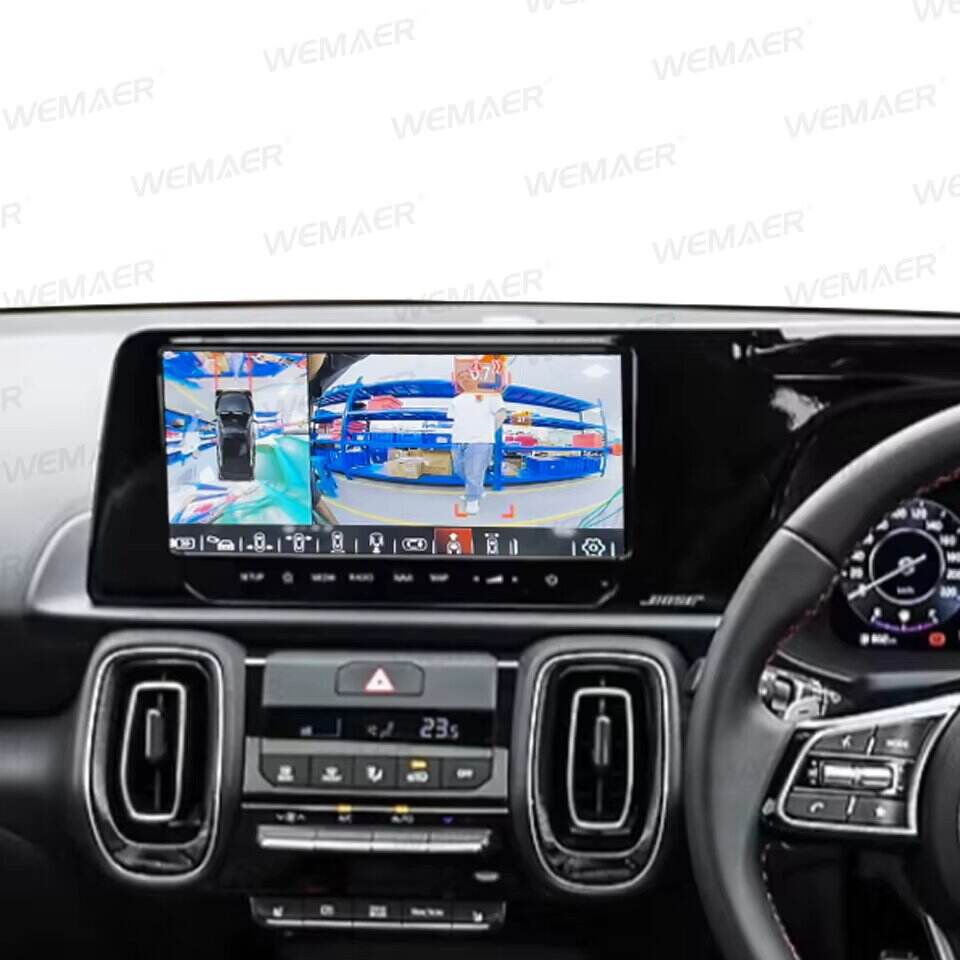
Why Birds Eye View Toyota Addresses Urban Parking Crisis
Urban parking is not merely a shortage of spaces—it is a crisis of inefficiency. Drivers circle blocks for minutes, burning fuel and adding to congestion. Studies show that up to 30% of city traffic in dense areas comes from vehicles searching for parking—wasting time, increasing emissions, and frustrating commuters. Birds Eye View Toyota solves this by delivering a real-time, 360-degree overhead perspective of the vehicle’s surroundings. When entering a crowded lot or street, the system instantly highlights open spots and guides precise maneuvering—replacing guesswork and stressed scanning with clarity and control.
This reduces circling time, lowers fuel consumption, and eases traffic flow. It also minimizes low-speed collisions and scrapes, protecting vehicles and pedestrians alike. For city planners, fewer idling cars mean cleaner air and reduced wear on road infrastructure. By targeting the root cause—inefficient space utilization—the system transforms parking from a daily frustration into a seamless part of the commute. Every lot becomes a smart, responsive environment where drivers save time and cities breathe easier—a practical, scalable solution for modern urban living.
How Birds Eye View Toyota Leverages Real-Time IoT and AI Analytics
Sensor Networks and Cloud-Based Parking Data Fusion
Birds Eye View Toyota deploys an integrated network of IoT sensors—including in-ground detectors, camera systems, and license plate recognition units—to monitor parking occupancy in real time across urban zones. Raw data streams to cloud platforms, where edge computing devices preprocess inputs before centralized AI engines correlate them with municipal traffic APIs, weather services, and event calendars. The system dynamically categorizes parking types (street, garage, EV-exclusive) and calculates zone-level availability probabilities. According to urban mobility benchmarks, this multimodal data fusion achieves 95% slot-detection accuracy—significantly cutting driver search time.
Predictive Availability Modeling Using Historical + Live Traffic Feeds
The system’s predictive engine analyzes historical patterns—such as holiday surges and weekly commute rhythms—alongside live variables like road closures and public transit delays. Machine learning algorithms weigh these against anonymized GPS streams from connected vehicles, updating parking forecasts every 90 seconds. This enables proactive rerouting via Toyota’s in-dash navigation when approaching high-congestion districts. Municipal pilots demonstrated a 40% reduction in circling time through pre-reserved slots during peak hours—directly lowering neighborhood CO₂ emissions from idling vehicles.
From Nagoya to Global Deployment: Scaling Birds Eye View Toyota
The Birds Eye View Toyota system began as a localized response to Nagoya’s chronic parking congestion. By integrating real-time IoT sensors and AI-driven analytics, the pilot redefined how drivers locate and reserve spaces—delivering a 20% reduction in average search time and a 15% drop in emissions from circling vehicles. User feedback revealed that 78% of participants preferred the mobile booking feature over traditional methods. These results validated the system’s viability and established a replicable blueprint for scaling across other dense urban centers.
Nagoya Smart City Pilot: Key Metrics and User Behavior Insights
During the six-month trial in Nagoya, 500 on-street and garage parking spots were equipped with ultrasonic sensors and cloud-connected dashboards. The pilot captured over 200,000 occupancy records daily, enabling predictive models that improved allocation efficiency by 30%. Users accessed real-time availability through a smartphone app, with peak adoption during lunch and evening hours. Behavioral data showed that 65% opted for off-street lots when dynamic pricing was applied—reducing curb congestion and informing algorithm refinements for global rollout.
Integration with Toyota Mobility Services (e.g., KINTO, e-Palette Ecosystem)
Birds Eye View Toyota seamlessly integrates with Toyota’s broader mobility ecosystem—including the KINTO car-sharing platform and the e-Palette modular vehicle concept. Through KINTO, users reserve parking as part of trip planning; e-Palette deliveries autonomously navigate to designated loading zones. This integration ensures parking data flows into navigation systems, route optimization, and fleet management. Embedding the system within Toyota’s existing services creates a unified mobility experience—reducing friction for both private drivers and shared fleets.
User-Centric Design: Mobile Booking, In-Vehicle Navigation, and Adoption Drivers
The Birds Eye View Toyota system prioritizes intuitive user experiences to overcome urban parking friction. Its mobile-first booking platform enables drivers to reserve spots in seconds via streamlined interfaces with real-time availability displays and one-tap confirmation—mirroring the efficiency of leading mobility apps. When integrated with in-vehicle navigation, the system guides drivers directly to reserved spaces using turn-by-turn directions, eliminating last-minute circling. Urban mobility studies (2023) confirm this reduces average search time by 63% and cuts fuel consumption by 15%.
Adoption is driven by three core factors:
- Time savings, converting wasted search minutes into productive hours
- Stress reduction, through guaranteed parking access
- Ecosystem synergy, with existing mobility services
User testing revealed 89% preference for unified parking navigation over standalone apps—highlighting seamless integration as the primary adoption accelerator. These design choices position Birds Eye View Toyota as both practical parking relief and a strategic tool for urban efficiency.
FAQ
What is Birds Eye View Toyota and how does it address urban parking issues?
Birds Eye View Toyota is a system that provides a 360-degree overhead perspective of a vehicle’s surroundings. It highlights open parking spots and guides drivers, reducing circling time, emissions, and traffic congestion in urban areas.
How does Birds Eye View Toyota utilize IoT and AI?
The system uses IoT sensors and cloud-based platforms to monitor parking occupancy in real-time. AI engines process data from multiple sources, including traffic APIs and GPS streams, to predict parking availability and optimize navigation.
Can Birds Eye View Toyota be used in cities other than Nagoya?
Yes, the system started in Nagoya but offers a scalable model for deployment in other urban centers worldwide, leveraging IoT sensors, real-time analytics, and user-driven feedback.
How does the mobile booking feature enhance user experience?
The streamlined mobile booking platform enables drivers to reserve parking spaces in seconds, providing real-time availability displays and navigation integration to reduce search times and enhance convenience.