
 EN
EN
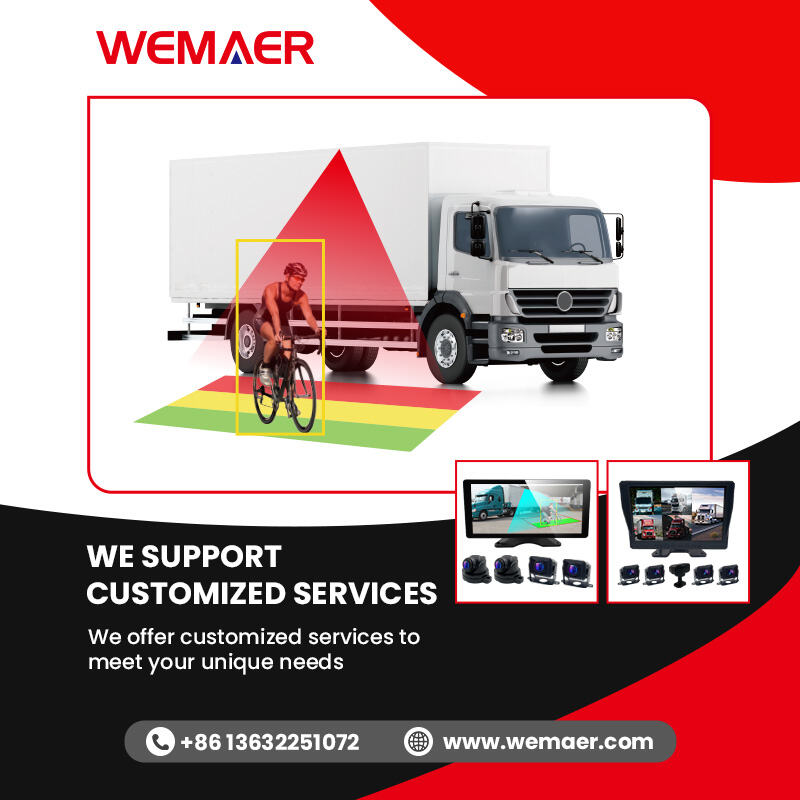
Critical Technical Specifications That Define a Reliable Truck Camera System Supplier
Resolution, Field of View, and Blind Spot Coverage Trade-offs
Selecting a reliable truck camera system supplier requires understanding the resolution–field of view trade-off. Higher-resolution cameras (≥1080p) capture critical details like license plates but demand more bandwidth; wider fields of view (150°+) reduce blind spots yet introduce edge distortion. Suppliers that optimize this balance—using adaptive resolution modes to maintain frame rates in low light—cut accident risk by 37%, per FMCSA-validated studies. Infrared night vision ensures clarity after dark, while multi-camera configurations eliminate blind zones entirely.
Durability Benchmarks: IP69K, SAE J1455, and Thermal Resilience Testing
Truck camera systems operate in extreme environments, making durability non-negotiable. Top suppliers validate hardware against IP69K (dust/water resistance under high-pressure cleaning), SAE J1455 (vibration and shock resilience for heavy-duty use), and thermal cycling from –40°C to 85°C. Shock-absorbing mounts and corrosion-resistant housings extend service life beyond five years. These certifications signal a supplier’s commitment to operational continuity—not just compliance.
Integration Capabilities and Hardware Architecture: Evaluating Supplier Compatibility
GMSL vs. IP-Based Video Transmission: Bandwidth, Latency, and Wiring Implications
GMSL delivers uncompressed 1080p video at 6 Gbps per camera with under 10 ms latency—essential for real-time collision alerts. In contrast, IP-based systems max out at 100 Mbps per camera and rely on compression, introducing delays that impair driver response. While IP leverages existing Ethernet cabling, GMSL uses lightweight coaxial or shielded twisted-pair wiring, reducing vehicle weight by up to 15 kg per truck. Bandwidth constraints force IP solutions to sacrifice resolution or frame rate; GMSL preserves both and supports 4K feeds for future scalability. Crucially, latency below 50 ms meets NHTSA intervention thresholds—IP systems often exceed 200 ms during network congestion.
Telematics Readiness: CAN Bus, J1939, and Cloud API Support
Seamless CAN Bus integration enables direct access to vehicle speed, braking events, and engine diagnostics without added hardware—cutting installation time by 40%. J1939 compatibility ensures standardized extraction of fault codes and fuel-efficiency metrics. Suppliers lacking cloud API support create data silos; modern systems synchronize video with telematics via RESTful APIs, enabling automated DOT reporting. Fleets using API-integrated platforms reduce insurance claim processing from days to hours by correlating footage with triggers like hard braking.
Total Cost of Ownership and Measurable ROI: Assessing Truck Camera System Supplier Value
5-Year TCO Breakdown: Hardware, Installation, Data Plans, and Maintenance
Evaluating truck camera system suppliers demands a full 5-year Total Cost of Ownership (TCO) analysis—not just upfront hardware costs. Key components include:
- Hardware: Cameras, mounting brackets, and processing modules
- Installation: Labor, wiring modifications, and calibration
- Recurring expenses: Cellular data plans, cloud storage, and software subscriptions
- Maintenance: Lens cleaning, firmware updates, and component replacements
Industry data shows maintenance accounts for 32% of TCO for unsealed systems due to weather-related failures (Ponemon 2023). Leading fleets prioritize suppliers offering:
- IP69K-rated housings—reducing weather-related failures by 45%
- Modular designs enabling component-level repairs
- Predictive maintenance algorithms that cut annual downtime costs by $740k
Safety ROI: FMCSA-Validated Crash Reduction (37%) and Insurance Premium Impact
The Federal Motor Carrier Safety Administration (FMCSA) reports a 37% reduction in collisions for fleets using validated camera systems—delivering measurable safety ROI. Key financial impacts include:
| ROI Factor | Financial Impact | Implementation Timeline |
|---|---|---|
| Insurance premium reduction | 12–22% annual savings | 18–24 months |
| Accident liability decrease | $168k average per major crash | Immediate |
| Driver training efficiency | 41% faster coaching cycles | 3–6 months |
Additional benefits include a 29% reduction in fraudulent claims, 19% improvement in driver retention, and $57k average savings per avoided DOT-recordable incident. The most strategic suppliers embed these metrics into fleet-specific dashboards—linking video, telematics, and safety budgets in real time.
Operational Fit and Supplier Responsiveness: Matching Truck Camera System Suppliers to Fleet Use Cases
Fleet operations vary widely by cargo type, route complexity, and regulatory environment—urban delivery fleets face different challenges than over-the-road haulers. A supplier’s ability to adapt camera configurations to your operational rhythm directly affects scalability: smaller fleets benefit from plug-and-play deployment, while enterprise operations require API-driven integration with existing telematics or dispatch platforms. Supplier responsiveness is equally vital—especially when rapid hardware replacement is needed after accidents or drivers require same-day troubleshooting. Industry benchmarks show fleets working with unresponsive vendors experience 14% longer downtime during incident resolution versus those with 24/7 technical support. Real-world constraints must guide evaluation: refrigerated transport operators need thermal-resistant housings to withstand temperature cycling, while bulk liquid carriers require vibration-dampened mounting. Always verify compatibility with trailer swap frequency and duty cycle during pilot testing before full deployment.
Ready to Partner with a Reliable Truck Camera System Supplier for Your Fleet or OEM Project?
Selecting the right truck camera system supplier is a strategic decision that directly impacts your fleet’s safety record, regulatory compliance, and bottom-line profitability—no other investment delivers such comprehensive risk mitigation and measurable long-term cost savings. By partnering with a supplier that combines industrial-grade durability, seamless integration capabilities, and proven ROI, you will achieve significant collision reduction, lower insurance premiums, and streamlined operations.
For OEM-quality truck camera systems, commercial vehicle monitoring solutions, and integrated 360° AVM systems tailored to heavy-duty applications, partner with WEMAER—a global leader in automotive vision technology with 15 years of specialized industry expertise. As a national high-tech enterprise boasting China’s largest production scale for car rearview cameras, dash cams, and 360° AVM systems, WEMAER houses a 30+ professional R&D team, holds over 100 technology patents, and ensures full compliance with global certifications including IATF 16949, CE, FCC, RoHS, and CQC. Our heavy-duty truck camera systems feature IP69K ingress protection, SAE J1455 vibration resistance, and native GMSL/CAN Bus integration, purpose-built to withstand the harshest commercial operating conditions. We offer end-to-end OEM/ODM customization services, from hardware design and firmware development to full integration with your fleet telematics platform, serving 20+ well-known automotive brands and exporting to more than 60 countries worldwide. Whether you need a scalable retrofit solution for your existing fleet or a custom-engineered camera system for new commercial vehicle models, we can deliver a high-performance, cost-effective solution aligned with your safety and business goals. Contact us today for a no-obligation consultation and customized supplier evaluation.
FAQ
What are the key factors to consider when choosing a truck camera system supplier?
Key factors include resolution, field of view, durability benchmarks, integration capabilities, total cost of ownership, and supplier responsiveness.
How does GMSL video transmission compare to IP-based systems?
GMSL offers higher bandwidth and lower latency than IP-based systems, supporting real-time collision alerts and future scalability with 4K feeds.
Why is telematics readiness important for truck camera systems?
Telematics readiness enables integration with vehicle diagnostics and telematics systems, reducing installation time and improving data utilization and operational efficiency.
What is the significance of the 5-year TCO breakdown in evaluating a truck camera system?
A 5-year TCO breakdown includes costs such as hardware, installation, data plans, and maintenance, providing a comprehensive view of a supplier’s cost-effectiveness.
What safety ROI can be expected from a validated truck camera system?
FMCSA-validated systems provide a 37% reduction in accidents, along with financial impacts like reduced insurance premiums, fewer fraudulent claims, and improved driver retention.
Table of Contents
- Critical Technical Specifications That Define a Reliable Truck Camera System Supplier
- Integration Capabilities and Hardware Architecture: Evaluating Supplier Compatibility
- Total Cost of Ownership and Measurable ROI: Assessing Truck Camera System Supplier Value
- Operational Fit and Supplier Responsiveness: Matching Truck Camera System Suppliers to Fleet Use Cases
- Ready to Partner with a Reliable Truck Camera System Supplier for Your Fleet or OEM Project?
- FAQ